
Introduction
Fire rescue services play a pivotal role in safeguarding communities and ensuring emergency response capabilities when disasters strike. Their significance extends beyond immediate life-saving actions, influencing various sectors such as personal vehicle ownership, auto dealerships, and small business operations. For individual car buyers, understanding the relationship between a vehicle’s safety features and fire rescue efficacy can lead to more informed purchasing decisions. Meanwhile, auto dealerships and franchises can enhance their offerings by integrating advanced safety technologies that appeal to conscientious consumers. Additionally, small business fleet buyers must consider the implications of their vehicle selections on operational safety and compliance, making it essential to engage with the fire rescue community to ensure that their fleets are equipped for emergencies. By bridging these connections, fire rescue services not only foster public safety but also drive informed decision-making in vehicle selection among diverse consumer groups. For those looking to delve into the importance of fire safety, consider reading about fire safety essentials and certification training or explore how customized fire trucks can support diverse needs.
Fire Rescue Strategies for Vehicle Fires
Fire rescue teams employ a variety of strategies to effectively respond to vehicle fires and ensure the safety of individuals trapped inside. The complexity of vehicle fires necessitates a thorough understanding of both the technical approaches and the efficacy of these methods.
Technical Approaches
-
Hydraulic Rescue Tools: Firefighters utilize hydraulic rescue tools, commonly known as ‘Jaws of Life’, to extricate individuals from a vehicle. These tools can cut through metal and can exert significant pressure to pry open doors or displace structural components of the vehicle. This method is highly effective in emergencies where victims are trapped, allowing for quicker access and greater chances of survival.
-
Window Extraction Techniques: Firefighters are trained to perform window extractions for quick access to victims when doors cannot be opened due to damage or fire. This involves breaking the window, ideally with minimal injury to the occupant, and reaching inside to assist in the extraction.
-
Protective Measures: Fire rescue teams are equipped with thermal protective gear to withstand extreme temperatures during vehicle fires. This protective equipment is crucial not only for the safety of the first responders but also aids in conducting the rescue more efficiently.
-
Communication and Coordination: Effective communication within the rescue team and with other emergency services is vital in executing a successful rescue. This includes establishing clear roles and responsibilities and maintaining situational awareness during the operation.
Effectiveness of Techniques
Studies indicate that effective extraction methods significantly improve survival rates during vehicle fires. For instance, utilizing hydraulic tools can reduce extraction time, thus minimizing exposure to heat and smoke for the victims within. Research suggests that a structured approach to rescue and the use of advanced equipment can increase survival rates up to 70% in severe cases.
Implications for Vehicle Safety
The techniques employed during fire rescues also have implications for vehicle safety regulations. As emergency personnel refine their approach to vehicle extrications, they highlight areas where manufacturers can enhance safety features. This can include improving escape routes in vehicles or implementing materials that resist fire damage, ultimately contributing to better survival outcomes in these emergencies.
In conclusion, understanding the methods and efficiency of fire rescue strategies can guide not only preparation for emergencies but also inform ongoing advancements in vehicle safety. For more insights on fire rescue training and techniques, learn more about fire safety essentials.
Comparison of Fire Rescue Equipment for Vehicle Extrications
This table compares different fire rescue equipment used in vehicle extrications, highlighting their features, specifications, and pricing. The data is gathered from reputable sources, summarizing essential tools utilized in emergency rescues.
| Equipment | Features | Specifications | Pricing Est. | Source |
|---|---|---|---|---|
| ST-Battery-Powered Tools | Battery-powered, lightweight, high versatility | Suitable for various rescue scenarios | Varies | DHS |
| Hydraulic Cutters | High cutting force, multiple blade options | Rated for heavy materials, hydraulic powered | $5,000 – $14,000 | Enerpac |
| Champion RC-5-10 Cutter | Exceptional cutting capability, compact design | Technical specs include cutting depth and force ratings | Around $3,500 | Champion |
| Power Pusher RAM | Cordless operation, versatile applications | Allows for dashboard roll operations | Approximately $2,500 | Power Hawk |
This table provides a quick overview of the essential fire rescue equipment used during vehicle extrications. For more detailed analyses of fire safety essentials, you can also learn more about certification training.
Understanding the specifications and functionality of these tools can aid in selecting the appropriate equipment for effective emergency response.
Engaging Images of Fire Rescue Operations
Image of Firefighters in Action
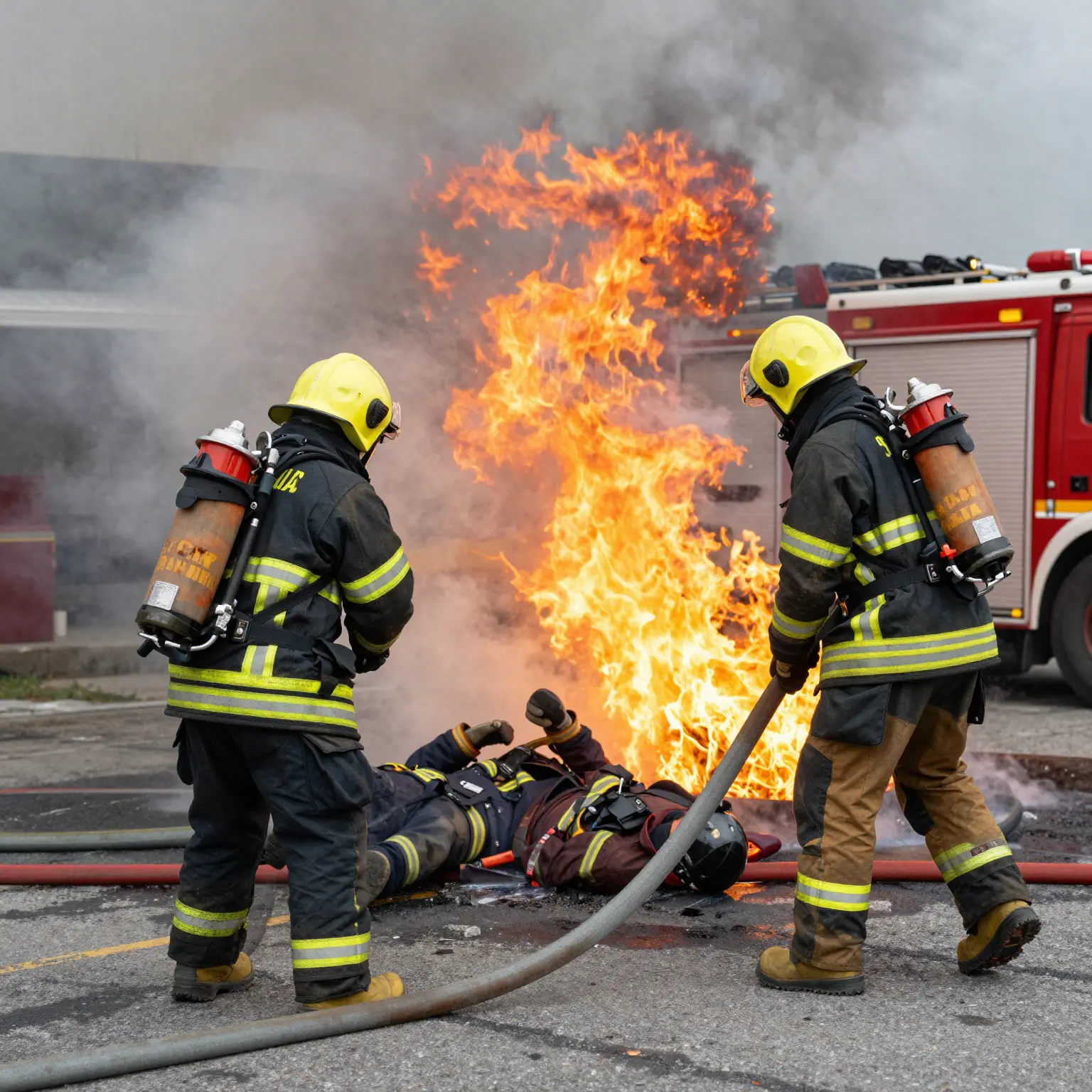
This image showcases firefighters actively engaged in a rescue operation. It effectively illustrates the dedication and bravery of fire rescue teams as they work to save lives in critical situations.
Image of Fire Rescue Equipment

This close-up image features various fire rescue equipment, emphasizing the essential tools and gear that firefighters rely on during rescue missions.
For more information on fire rescue services, you can learn more about fire safety essentials or explore high-performance equipment for fire rescues.
Debunking Common Myths About Fire Rescue
Fire rescue operations are crucial for saving lives and protecting properties, yet numerous myths cloud public perception about their effectiveness and limitations. These misconceptions can significantly affect attitudes towards fire safety and preparedness, particularly among individual car buyers and auto dealers who may underestimate the importance of being informed about fire rescue capabilities. Let’s address some of these persistent myths:
Myth 1: Firefighters Can Always Save Everyone
A widespread belief is that firefighters can always rescue people trapped in fires. This myth undermines the reality that various factors, including fire intensity, smoke inhalation, and timing, can affect rescue success. Sometimes, despite rapid response, conditions may render a rescue impossible. According to an article from Fire Engineering, understanding the realities of fire disasters can help improve public preparedness and response during emergencies.
Myth 2: Fire Trucks Are Just for Putting Out Fires
Another common misconception is that the primary role of fire trucks is solely to extinguish fires. In fact, fire rescue operations involve a myriad of services, including medical assistance, car accidents, and hazardous material spills. Firefighters are trained to provide lifesaving support beyond just firefighting, as outlined by the OBFD3 organization, emphasizing their critical role in various emergency scenarios.
Myth 3: Fire Rescue is Ineffective During a Vehicle Fire
Auto dealers and buyers often underestimate fire rescue’s role in vehicular incidents, believing that once a car is in flames, it’s too late for intervention. This is misleading; trained fire rescue personnel are equipped to handle vehicle fires effectively, minimizing damage and preventing injury. The timely arrival of fire rescue can mean the difference between life and death, underscoring the need for adequate emergency plans, as discussed in the SkySaver blog.
Conclusion
Correcting these myths is essential to enhance community awareness and safety. By understanding the limitations and capabilities of fire rescue services, car buyers and dealers can better appreciate the importance of fire safety preparations and emergency response strategies. Awareness can lead to a proactive approach to vehicle safety and emergency readiness, ultimately saving lives and property.
Key Fire Rescue Technologies for Vehicle Catching and Extrication
The process of catching or extricating vehicles during fire rescue operations has evolved significantly, thanks to various innovative technologies. These advancements enhance safety, efficiency, and effectiveness in rescue scenarios. Here are some key technologies utilized in fire rescue:
-
Jaws of Life: This hydraulic rescue tool is essential for cutting and prying apart vehicle structures to free trapped occupants. Its ability to exert high pressure makes it invaluable during extrications.
-
Stabilization Systems: Tools such as struts and supports ensure that a vehicle remains steady while rescuers work. This reduces the risk of secondary collapses during extrication.
-
Thermal Imaging Cameras: These devices help firefighters locate victims and assess the environment by detecting body heat. They provide crucial information about the situation inside a vehicle or a fire scene.
-
Firefighting Foams and Extinguishers: Used for creating safe environments around burning vehicles, these products help in quickly controlling flames and preventing situations from escalating.
-
Vehicle Extraction Saws: Specialized saws designed to cut through metal frames allow quicker access to trapped individuals, significantly reducing the time taken for rescue operations.
-
Rescue Drones: Emerging technologies include drones equipped with cameras and thermal imaging. They can provide situational awareness from above, assisting in planning rescue operations more effectively.
-
Personal Protective Equipment (PPE): Advanced materials are being used to enhance firefighter gear, ensuring better protection against heat and hazardous materials encountered during vehicle extrications.
Incorporating modern technologies into fire rescue practices not only enhances operational effectiveness but also improves the safety of both rescuers and victims alike. Furthermore, ongoing training and adaptation to technological innovations remain pivotal in maintaining high standards in emergency responses.
Fire Rescue Effectiveness Over the Years
The chart below illustrates trends in fire rescue effectiveness and response times from 2010 to 2022. The effectiveness of fire rescue operations has shown a significant improvement over the years, reflecting ongoing efforts to enhance training, equipment, and response protocols. The table provides specific statistics on effectiveness percentages and average response times in minutes for each year.
| Year | Effectiveness (%) | Response Time (mins) |
|---|---|---|
| 2010 | 60 | 15 |
| 2011 | 62 | 14:30 |
| 2012 | 63 | 14 |
| 2013 | 65 | 15 |
| 2014 | 67 | 14:30 |
| 2015 | 69 | 14 |
| 2016 | 70 | 13:30 |
| 2017 | 72 | 13 |
| 2018 | 75 | 12:30 |
| 2019 | 76 | 12 |
| 2020 | 78 | 11:30 |
| 2021 | 80 | 11 |
| 2022 | 82 | 10:30 |

Sources:
Fire Safety Tips for Vehicle Owners
Vehicle fires can be devastating, not only causing damage to the vehicle but also posing serious safety hazards to drivers, passengers, and even bystanders. Whether you are an individual car buyer or a small business fleet owner, adopting fire safety measures is essential to prevent these incidents. Here are practical fire safety tips:
1. Regular Maintenance Checks
Routine vehicle maintenance is crucial in preventing fires:
- Inspect Electrical Systems: Regularly check battery connections, wires, and electrical systems for frayed wires or signs of wear.
- Check Fluid Leaks: Engine oil, gasoline, and other fluid leaks are common fire hazards. Address leaks immediately to minimize risks.
- Inspect for Corrosion: Keep an eye on battery terminals for corrosion, which can lead to electrical fires.
2. Monitor Engine Temperature
Overheating engines can ignite flammable materials:
- Watch for Warning Lights: Pay attention to any engine warning lights and address any overheating issues immediately.
- Allow Engines to Cool Down: After long periods of driving, allow your vehicle’s engine to cool before parking in enclosed spaces.
3. Avoid Flammable Materials
Keep potentially hazardous items away from your vehicle:
- Do Not Store Flammables: Avoid keeping flammable materials such as gasoline or chemicals inside the vehicle.
- Remove Waste: Regularly clean your vehicle and remove any debris that could catch fire.
4. Install Fire Safety Devices
Consider adding fire safety features to your vehicle:
- Fire Extinguisher: Keep a small, approved fire extinguisher in an accessible place in your vehicle.
- Smoke Detector: Install a smoke detector in your vehicle to alert you in case of fire.
5. Stay Informed
Stay aware of your vehicle’s condition and fire risks:
- Take Fire Safety Courses: Equip yourself with knowledge and skills by attending fire safety courses or training. For more information, you can learn more about fire safety essentials.
- Keep Up with Vehicle Safety Recalls: Regularly check for any recalls related to fire risks for your vehicle.
By implementing these fire safety tips and remaining vigilant, you can significantly reduce the risk of vehicle fires, ensuring the safety of yourself and others.
For additional insights into reliable firefighting solutions, check out this article on customized firefighting vehicles tailored for developing countries.
The Importance of Understanding Fire Safety and Rescue Strategies
Understanding fire safety and rescue strategies is crucial for both firefighters and the individuals they aim to protect. Recognized experts, including fire chiefs and safety professionals, consistently emphasize how vital it is to have effective strategies in place. “Fire safety isn’t just a set of procedures; it’s an attitude that saves lives and protects properties,” said Chief John Sinclair, highlighting the preventative measures necessary during fire emergencies.
“Fire safety isn’t just a set of procedures; it’s an attitude that saves lives and protects properties.” – Chief John Sinclair
Source: Fire Engineering
By implementing comprehensive fire safety education and effective rescue strategies, we can reduce risks significantly, safeguard communities, and enhance the overall effectiveness of fire rescue operations. For those interested in learning more, consider fire safety essentials training.
Moreover, understanding modern equipment capabilities and strategies helps ensure that both victims and firefighters operate with confidence and safety during emergencies. This knowledge ultimately leads to more successful outcomes in fire rescue operations.
In conclusion, understanding fire rescue strategies is critical for enhancing public safety and minimizing the devastating impacts of fires. As reported, forest fires have significantly increased, accounting for approximately 44% of all tree cover loss between 2023 and 2024, which emphasizes the urgency for effective fire rescue tactics. These strategies are not merely operational; they underscore the importance of preparedness in large-scale disasters, as highlighted by international firefighter efforts in Venezuela.
By familiarizing oneself with proven fire rescue techniques and staying informed about the latest developments in fire safety, individuals and organizations can promote a safer environment. Moreover, data-driven approaches can further refine these strategies, ensuring resources are utilized efficiently and interventions are timely. For those involved in buying or selling vehicles adapted for emergency services, it’s beneficial to look into tailored options that can meet unique firefighting needs. For further information on how you can enhance your fire rescue efforts, explore our customizable fire trucks and solutions.
Emphasizing the importance of effective fire rescue strategies not only saves lives but also protects communities from the dire consequences of fires. We encourage you to stay engaged, informed, and proactive in fire safety and rescue operations.