
Understanding High Water Rescue Costs: Crucial Insights for Buyers
In emergencies, high water rescues performed by fire departments serve as lifelines that can save lives and preserve property. However, a critical question arises: do individuals have to pay for these essential rescue services? As a prospective car buyer or small business fleet buyer, understanding the nuances of fire department charges and rescue service costs is paramount. Depending on local policies, fire departments might bill for rescue operations, such as high water rescues, based on personnel hours and vehicle usage. Some estimates suggest that such services can range from $35 to $70 per firefighter per hour, alongside additional costs for equipment usage, which can vary by location and situation. Furthermore, while many rescues are funded through local taxes, instances where public warnings were ignored may lead to charges being imposed as emergency response fees. Thus, grasping the dynamics of these potential costs is not only significant for personal safety but also impacts liability considerations for fleets and businesses. Engaging with this topic helps you prepare for the unexpected and understand how emergency services are financially structured within your community. Learn more about fire department charges to stay informed about potential costs that could arise during urgent situations.
Legal Framework Surrounding Fire Department Rescue Services
The legality surrounding fire department rescue services, particularly high water rescues, is guided by various local, state, and federal regulations. Fire departments play a crucial role in emergency response, but the question of whether they can charge for such services is complex and varies significantly across jurisdictions.
Understanding Fire Department Charges
Generally, fire departments are established to provide life-saving services at no cost to the public. However, the legality of imposing fees for high water rescue services can vary widely:
- Scenario-Based Charges: Some departments will charge fees for rescues if the individual is perceived to have acted recklessly – for example, driving into flooded areas. This is often justified as a way to encourage responsible behavior.
- Cost Recovery Models: Certain jurisdictions have implemented cost recovery models where fire departments can charge for response to non-emergency incidents or calls that do not conform to their standards of emergency service. This might include instances where private benefits can be distinguished from public services.
Relevant Laws and State-Specific Regulations
Different states have varying regulations that guide when and how fire departments may charge for services. Here are key points to consider:
- Florida: Fire departments in Florida are known to implement charges for high water rescue services, especially in cases where liability can be established against the individual rescued (source).
- Texas: Similar to Florida, Texas allows fire departments to recover costs for rescue services in certain circumstances, particularly when there is evidence of negligence involved.
- New York and Pennsylvania: Many departments in these states do not charge for high water rescues unless specified under updated emergency services regulations (source).
Precedent Cases
Court cases have also played a role in defining these practices. A notable case that clarifies legal boundaries involves the city of Orlando, where a decision reaffirmed that fire services could impose fees if a person was rescued under negligent circumstances. Other states have similar rulings that provide frameworks for when charges apply.
Quote: “The framework of emergency services regulations must reflect a balance between community service and responsible behavior.”
Visual Representation
Below is a visual representation depicting the charges for high water rescue services by state, reflecting the variations in legal frameworks and regulations:

Charges for High Water Rescue Services by State
| State | Charges for High Water Rescue Services | Source |
|---|---|---|
| Florida | Yes | TPBH Rescue |
| Texas | Yes | TPBH Rescue |
| New York | No | TPBH Rescue |
| California | Yes | TPBH Rescue |
| Ohio | Yes | TPBH Rescue |
| Pennsylvania | No | TPBH Rescue |
| Illinois | Yes | TPBH Rescue |
| North Carolina | Yes | TPBH Rescue |
| Washington | No | TPBH Rescue |
| Virginia | Yes | TPBH Rescue |
Conclusion
The legal landscape governing fire department charges for high water rescue services is nuanced. Individuals and businesses must be aware of their local regulations and the potential fiscal implications of emergencies. For more insights on how fire safety regulations may affect you, learn more about fire safety essentials here and explore the costs associated with customized fire services tailored to your needs.
State-by-State Variations in Rescue Service Charges for High Water Rescues
Understanding the policies on charging for high water rescues is crucial for individuals and businesses alike. Different states have different regulations regarding rescue service charges, which may impact you or someone you know. Below is a succinct overview of the variations across states, highlighting those that do charge and those that do not.
| State | Charges for Rescue Services | Notable Exceptions / Rules |
|---|---|---|
| Alabama | Yes | Charges may apply depending on the situation. |
| Florida | Yes | Only for residents; out-of-state individuals may incur charges. |
| Illinois | Yes | Charges apply only after initial free response. |
| Texas | Yes | Charges can vary by municipality. |
| California | No | No charge for rescue services. |
| New York | No | Charges waived for emergencies; however, billed for non-emergency rescues. |
| Massachusetts | Yes | Fees may apply if insurance does not cover costs. |
| Michigan | Yes | Specific municipal fees may apply. |
| Ohio | Yes | Charges depend on rescue type and agency involved. |
| New Jersey | No | No charges for water rescues as per state law. |
For more detailed insights into fire safety and rescue service scenarios, you can learn more about fire safety essentials and how they relate to local laws.
For those wondering about the financial implications of such rescues, consider this chart, which gives a visual representation of states that charge versus those that do not:
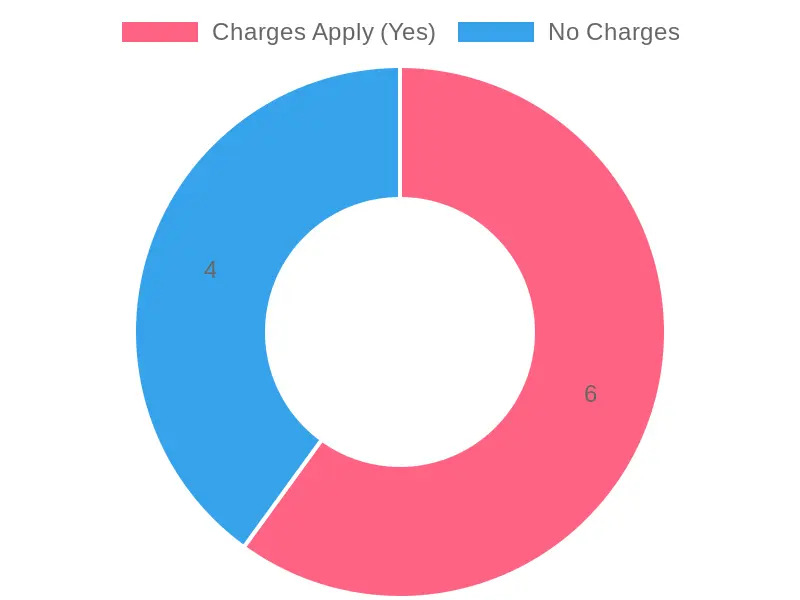
This concise table offers a straightforward view of the differences in policies, making it easier to navigate the laws surrounding high water rescue services.
Financial Implications of High Water Rescue Services
High water rescue services can be crucial for saving lives during emergencies. However, the financial implications of accessing these services are significant for both individuals and small businesses. Understanding these costs is essential for informed decision-making, especially for car buyers and fleet managers.
Cost Overview
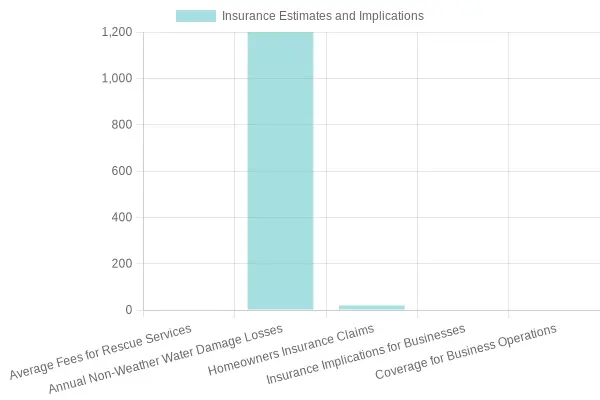
The immediate financial consequences of requiring high water rescue services are often stark. Individuals may face rescue service costs that range from approximately $1,000 to $2,500 per incident. These costs can escalate depending on factors such as the type of rescue equipment needed and the operational expenses incurred during the rescue operation.
For small businesses, the financial burden can be even more significant. As businesses rely on their fleet for day-to-day operations, any disruption can lead to lost revenue. The annual non-weather water damage losses are estimated to be around $1.2 billion globally, reflecting the widespread financial impact of such incidents. Fleet managers must consider these potential costs when planning for emergencies and evaluating the safety features of vehicles.
Insurance Implications
The implications of high water rescue services extend into the realm of insurance. Homeowners’ insurance claims reveal that approximately 19.5% of incurred losses are due to water damage, which includes potential costs from rescue operations. This statistic emphasizes the importance of comprehensive insurance coverage for mitigating unexpected expenses associated with flooding and other water-related emergencies.
For businesses, coverage can vary significantly based on the nature of the operation and the extent of water-related damages faced. Policies often differ between home-based and commercial setups, making it imperative for small business owners to closely assess their coverage plans-especially those in areas prone to flooding.
Decision-Making Impact
The financial implications of high water rescue services significantly influence decision-making processes for both car buyers and fleet managers. Potential costs must be taken into account when investing in vehicles and planning operational strategies.
-
Car Buyers: Individuals looking to purchase vehicles may prioritize models known for their water resistance and safety features, especially if they reside in flood-prone areas. Higher initial transactions may be justified with lower potential losses from rescue services in the event of flooding.
-
Fleet Managers: For businesses managing a fleet, the decision on vehicle selection can hinge on factors such as durability, safety ratings, and rescue readiness. Investing in vehicles equipped with advanced rescue technologies can reduce reliance on high rescue costs down the line. Fleet managers may also evaluate the insurance implications of new vehicles to ensure adequate coverage against high water scenarios.
Emergency Response Considerations
In light of the potential financial impacts and insurance considerations, it’s vital for individuals and businesses alike to be proactive in their approach to emergency preparedness. Engaging with local fire departments or rescue services to understand the specific costs associated with high water rescues informs better decision-making. Furthermore, assessing the latest fire safety essentials can enhance overall safety measures while ensuring that adequate training is provided for responding to water emergencies.
In summary, the financial implications of requiring high water rescue services constitute an essential aspect of risk management for individuals and businesses alike. Understanding the range of associated costs, insurance implications, and the impact on decision-making allows for better preparedness and ultimately safer investment in vehicle and fleet management. Ultimately, when lives and properties are at stake, being informed can make a crucial difference.

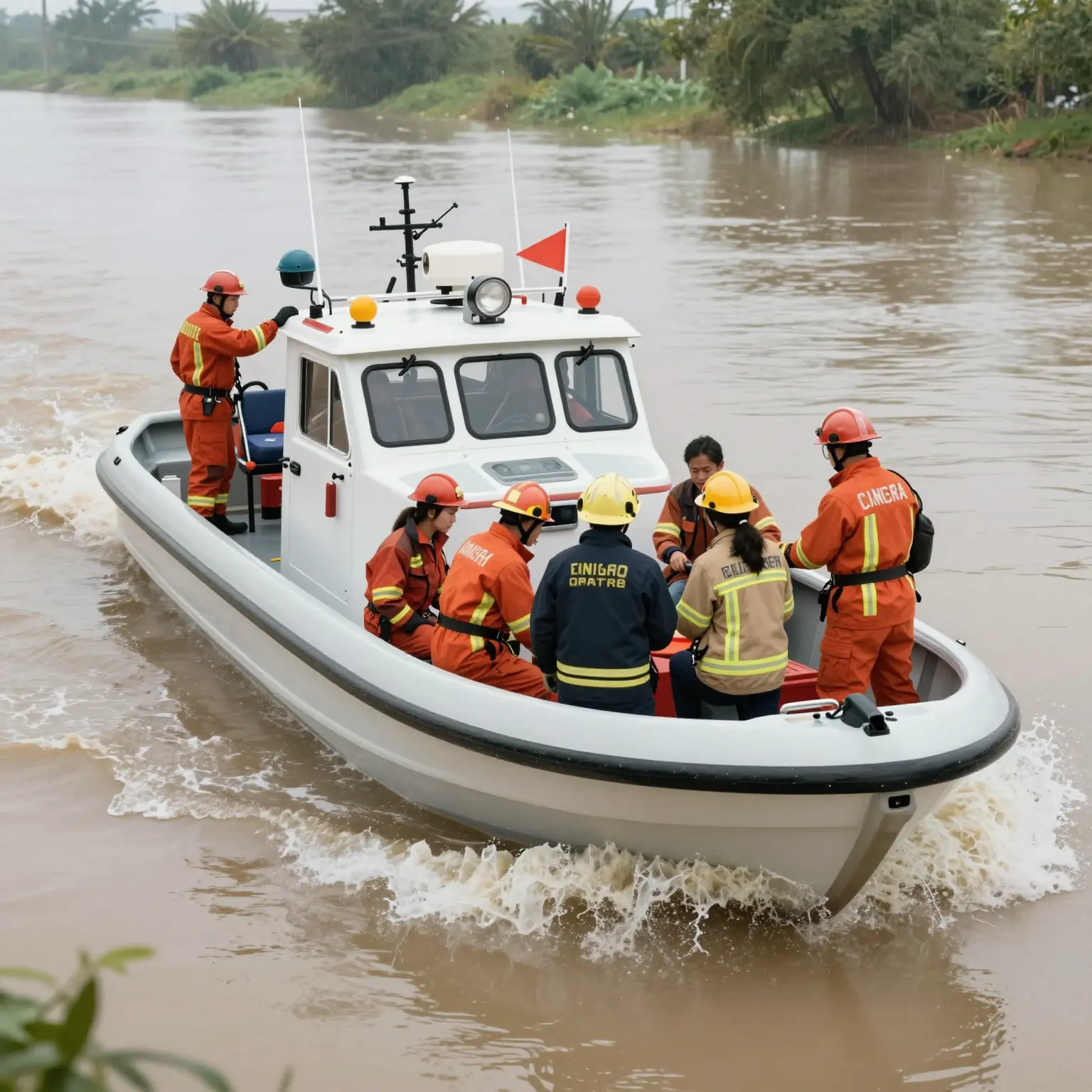
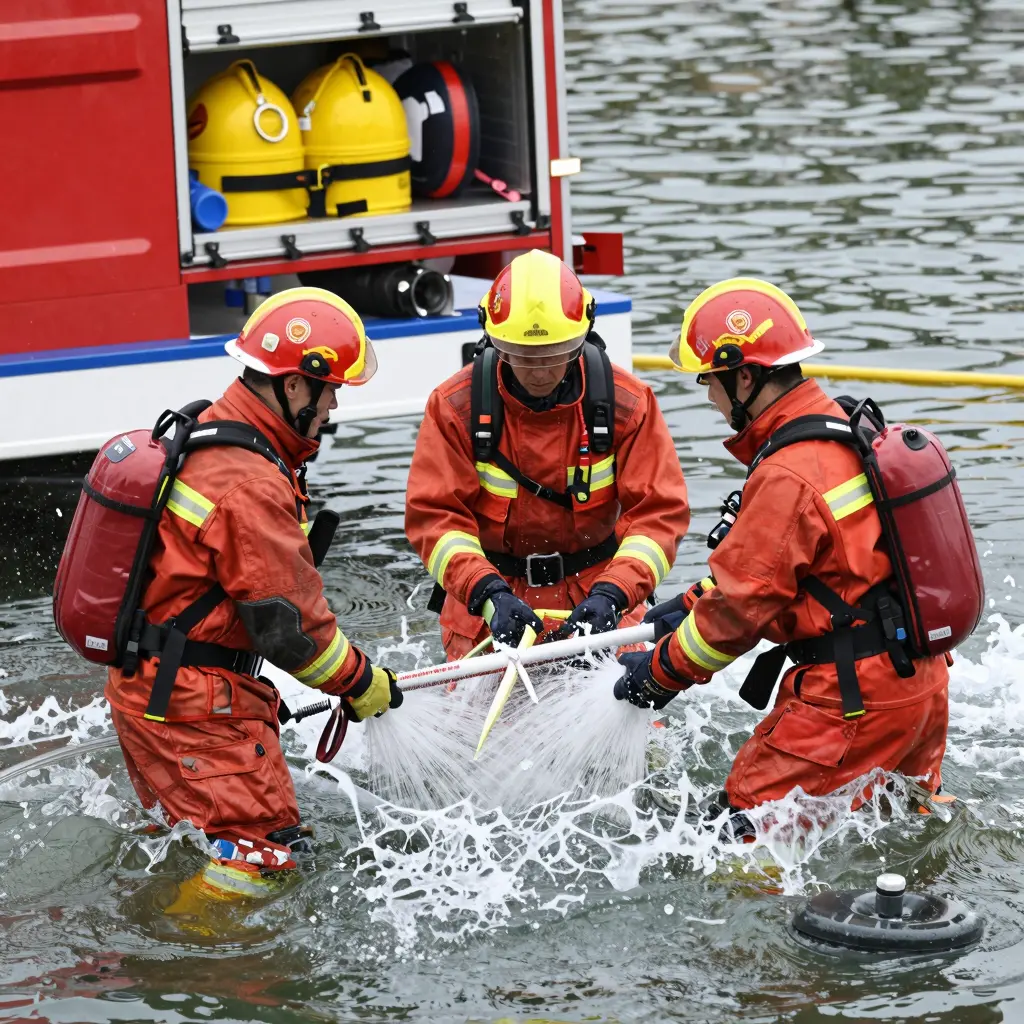
A high water rescue scenario depicting a fire department team in action. The scene shows firefighters using a rescue boat to retrieve individuals from a flooded area, with dramatic water splashes and emergency lights activated. The image should convey intensity and urgency, highlighting the bravery and dedication of the fire department in emergency responses.
Insurance Coverage for Rescue Services
When it comes to high water rescues, understanding the nuances of insurance coverage rescue is critical for individuals, auto dealership franchises, and small business fleet buyers. High water rescues can incur significant costs, and having the right coverage can provide essential financial relief in emergencies. Here, we will explore various types of insurance that might cover water rescue costs and the critical aspects to consider when choosing a policy.
Types of Insurance Covering High Water Rescues
1. Homeowners Insurance
Homeowners insurance can cover some rescue costs associated with water-related incidents, but it varies by policy. Most standard homeowners policies cover accidental water damage, such as from burst pipes or appliance failures. However, coverage may not extend to rescue services specifically. For instance, if the fire department or emergency personnel are needed for a high water rescue, some policies might not cover these costs unless explicitly stated. It is crucial to review your policy’s specifics around water damage and rescue services. Learn more about water damage coverage.
2. Emergency Response Insurance
This specialized insurance is designed for emergencies, covering various incidents, including high water rescues. Emergency response insurance often fills gaps found in traditional homeowners or auto insurance, covering the costs associated with emergency services such as fire departments and search and rescue teams. Individuals and businesses should inquire whether their existing policies include emergency response coverage or consider specialized providers that offer this type of insurance.
3. Travelers Insurance
For those venturing into areas where high water rescues might be necessary, travel insurance covering emergency evacuation and rescue is beneficial. Such policies often include coverage for accidents and medical emergencies, along with rescue costs during outdoor activities or travel to remote locations that could necessitate rescue services.
4. Specialized Rescue Insurance
Some companies provide insurance specifically aimed at outdoor enthusiasts, such as mountaineering or water sports, that include coverage for rescue operations. As noted in sources discussing mountain rescue insurance, these policies often cover search and rescue operations for accidents that occur in hazardous environments. Organizations or individuals planning activities in potentially risky areas should explore specialized rescue coverage.
Key Considerations for Individuals and Fleet Buyers
Assessing Coverage Limits
When selecting insurance that may cover water rescue costs, it is vital to understand the coverage limits. High rescue costs can escalate rapidly, especially if extensive resources are involved. Buyers should ensure that their limits are sufficient to cover potential rescue scenarios.
Exclusions in Policies
Many insurance policies have exclusions specifying what is not covered during emergencies. Be aware of areas where your insurance might fall short, such as costs for helicopter rescues or repeated emergency response trips. Understanding these limitations will help avoid unexpected out-of-pocket expenses.
Documentation Requirements
For any claims related to water rescues, documentation becomes crucial. Purchase or maintain policies that provide clear guidelines on the necessary documentation if you need to file a claim after a rescue. Lack of proper documentation can lead to claims being denied.
Conclusion
In conclusion, having robust insurance coverage for rescue services is essential for individuals and fleet buyers alike. By understanding the specifics of your policy and the key types of insurance available-including emergency response insurance and specialized rescue insurance-you can better prepare for potential high water rescue situations. Review your policies regularly and stay informed about any changes in coverage terms, ensuring that you aren’t caught off guard during emergencies. For businesses, ensuring adequate emergency response insurance can mean the difference between financial strain and peace of mind during crisis situations.
Whether for personal use or your business, ensuring you have the appropriate policies in place will alleviate concerns during emergencies and serve as a safety net when you need it the most.
Expert Insights on High Water Rescues
“Effective rescue services and policy adjustments are crucial for managing costs and improving response capabilities in fire departments. Without acknowledging the financial implications of these services, we risk compromising the safety and efficiency of our emergency response efforts.”
The evolving landscape of fire department rescue services, particularly high water rescues, necessitates a thorough understanding of costs and operational efficiencies. As fire departments seek to modernize and enhance their response capabilities, public input and expert opinions remain integral to shaping effective policies.
For those considering who bears the financial burden of high water rescues, it’s essential to stay informed about local policies and funding mechanisms that may apply. Learn more about training and certification to participate effectively in community safety efforts.
Frequently Asked Questions about High Water Rescue Costs
-
What are the average costs of a high water rescue?
Average costs can vary significantly, typically
ranging from $500 to $2,000 depending on the complexity of the situation. In extreme cases, such as helicopter rescues, costs can exceed $10,000. -
Who is responsible for paying these fees?
Generally, individuals requiring rescue services are charged for the assistance rendered. In certain cases, insurance policies may cover some or all the costs, and factors such as income level or veteran status might influence fee waivers. -
How can I appeal a rescue fee?
Depending on the jurisdiction, there may be an appeals process in place. Individuals can typically contest the fee by providing documentation of their situation and any extenuating circumstances that may apply. -
What factors affect high water rescue costs?
Costs may be influenced by various factors, including:
- Type and duration of the rescue
- Equipment and personnel required
- Any additional services, such as medical assistance
-
Are there any exemptions from paying rescue fees?
Some jurisdictions offer exemptions or reduced fees based on specific criteria, such as financial hardship or emergencies arising from natural disasters. -
How do rescue fees impact insurance premiums?
Claims related to high water rescues can potentially increase insurance premiums for homeowners or drivers involved. Insurers may raise rates following claims for water damage or rescue services. -
What should I do if I cannot afford to pay a rescue fee?
Many local emergency services have policies in place for individuals who demonstrate financial difficulty. It is advisable to reach out directly to the agency that conducted the rescue for options. -
Can rescue fees be contested in court?
Yes, individuals may have the right to contest rescue fees in court, especially if they believe the charges are unjustified or excessive. Legal consultation may provide guidance on this process.
For further understanding of fire department services and their costs, you might want to read more about firefighter training and how it influences rescue operations.
Trends in Fire Department Charging for High Water Rescues
Fire departments across the United States have increasingly discussed and implemented fees for high water rescue services over recent years. This trend reflects broader budgetary pressures and discussions about the financial sustainability of emergency services.
Chart of Fee Changes and Legislative Trends
The following chart illustrates notable fee changes and legislative actions related to high water rescue services:

| Year | Notable Fee Changes | Legislation/Actions | Source URL |
|---|---|---|---|
| 2015 | Beginning of increased discussions on service fees | – | NBC Chicago |
| 2023 | Fees for high water rescues increased significantly | Illinois General Assembly debates charging | WAND TV |
| 2025 | New laws allow charging for lift assists | New law allows Illinois municipalities to charge for lift assists | WIFR |
| 2025 | Continuing trend of fee discussions among local governments | John Buckley of Illinois Fire Chiefs Association discusses service fees | Illinois Times |
As depicted, from 2015 onwards, the discussions around charging for high water rescues gained traction, culminating in significant legislative developments and the establishment of formal fee structures.
For more information on the factors influencing these trends, feel free to check our article about fire department services and fees.
Conclusion
In summary, being informed about the potential charges for high water rescue services is crucial for individuals and businesses alike. As we have discussed throughout this article, the costs associated with emergency services, such as fire department fees, can vary significantly by location and situation. In some instances, departments may establish fees for high water rescues, particularly during extended operations or hazardous materials incidents. It’s essential for car buyers and fleet managers to consider these charges as part of their overall safety and risk management strategies.
Furthermore, recognizing the emergency costs associated with high water rescue operations not only aids in budget planning but also prepares drivers for unexpected situations. Understanding these financial implications empowers consumers to make educated decisions regarding vehicle purchases and fleet management practices that prioritize safety and minimize potential extended expenses during emergencies.
Additionally, as demonstrated by recent statistics and examples from various regions experiencing severe weather, the potential for high water rescues is increasingly prevalent. For this reason, being proactive about these costs is more important than ever, as it can significantly impact both individuals and communities during crisis situations.
In closing, if you are seeking dependable motorcycle solutions, consider Summit Fairings. They offer tailored options that align with your needs, ensuring that you are well-equipped for both the road and potential emergency situations related to high water rescues or other challenges.