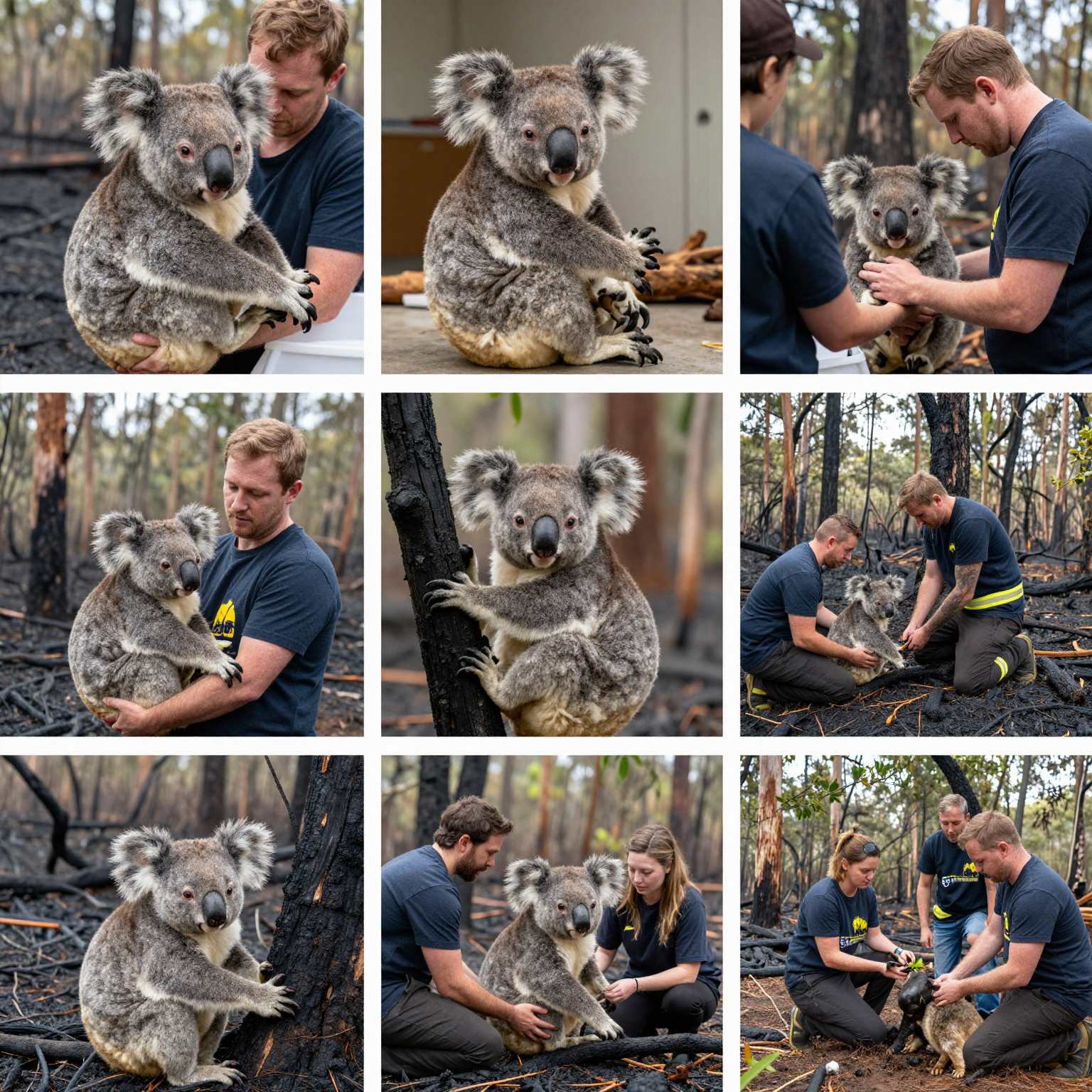
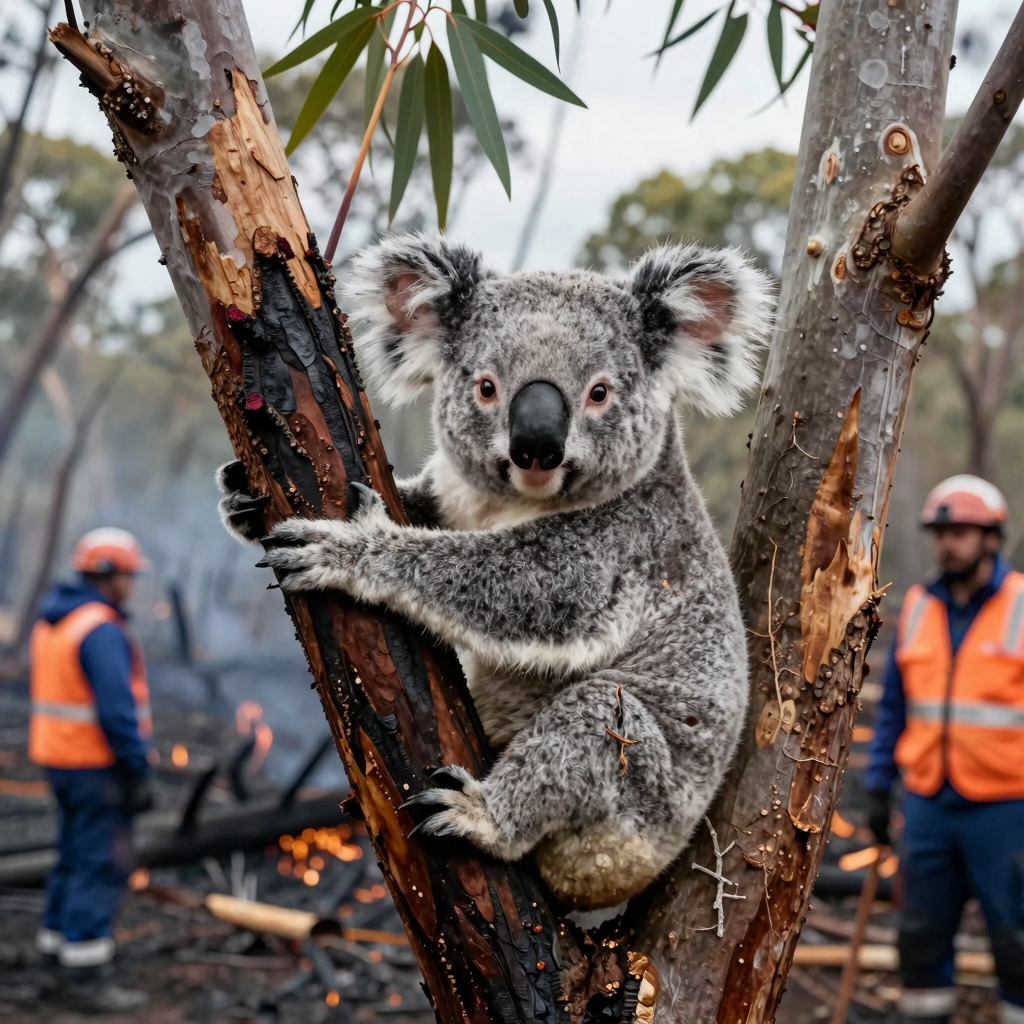
As the devastating flames of bushfires engulf swathes of Australia, the toll on wildlife, particularly the beloved koala, is heart-wrenching. These innocent creatures, already vulnerable due to habitat loss, face an existential crisis as their homes turn to ashes. Thousands of koalas are reported to have perished, and many more have been displaced, injured, or left in desperate need of rescue. The tireless efforts of wildlife rescue teams highlight a beacon of hope amidst the tragedy, shining a light on the resilience of these remarkable animals. Conservation efforts are more critical than ever, as communities rally together to provide care, rehabilitation, and a chance of survival for the koalas who have bravely endured such terrifying events. By offering our support to wildlife rescue initiatives, we can help secure a future for these enduring symbols of Australia. Learn more about fire safety and its impact on wildlife rescue efforts.
The Heart-Wrenching Rescue of a Koala Named Coco
In the aftermath of the devastating Australian bushfires of 2023, stories emerged that spoke not just of destruction but of survival, hope, and resilience. One such story is that of a baby koala named Coco. Found clinging to her mother’s lifeless body in a charred eucalyptus tree, Coco was a symbol of both tragedy and the enduring spirit of life.
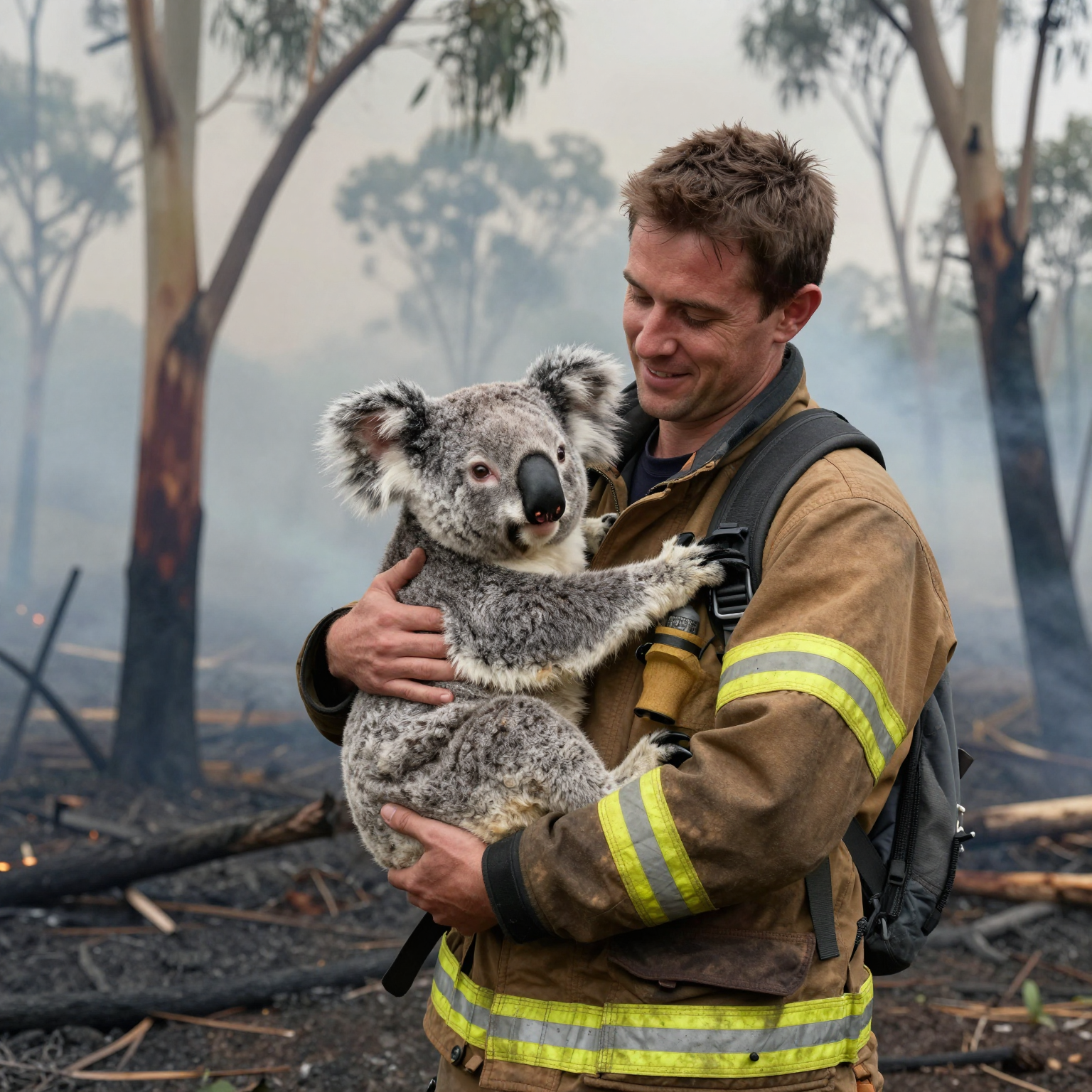
Firefighter Mark had just returned from extinguishing flames when he stumbled upon the scene. The air was thick with smoke, and the ground scorched; it was a desolate landscape. But amidst the ruins, he spotted a small figure-a faint heartbeat, all that remained of the tiny creature’s will to live. Weighing only 200 grams and severely dehydrated, Coco was whisked away by a team of dedicated wildlife rescuers who were determined to save her life.
At the Lone Pine Koala Sanctuary, Coco received immediate care. Staff members hydrating her with oral rehydration solutions and offering psychological warmth was critical to her recovery. Days turned into weeks as Coco slowly gained strength, yet it was a poignant moment that captured the hearts of her caregivers and the public alike. Onlookers watched as she reached for a volunteer’s finger, mirroring the way she once clung to her mother.
The emotional bond was palpable; it was a reminder that she was still fighting, clinging to life thanks to the unwavering commitment of those around her. Every little movement was celebrated as Coco began to take her first climbing attempts, showing that survival was not just a battle of the body, but a testament of spirit.
The entire experience resonated with many, transforming Coco’s story into a beacon of hope, not only for her species but for all wildlife facing adversity. As she recovered, she became an emblem of resilience, showing the world that even in the darkest times, life finds a way to flourish.
Coco’s journey highlights the vital work of wildlife rescuers and the emotional depth that exists between humans and animals. Such connections underscore the importance of wildlife conservation, and they inspire public interest and support for rehabilitation efforts across the globe. Together, they remind us that every creature matters in the delicate balance of nature.
For more insights into fire safety and wildlife rescue, learn more about fire safety essentials.
Ultimately, Coco’s tragic yet hopeful story encourages us to advocate for the preservation of wildlife habitats, pushing us to understand that the battle against climate change and its devastating effects is one we all must engage in.
Insight into Koala Biology: Habitat, Diet, and Unique Behaviors
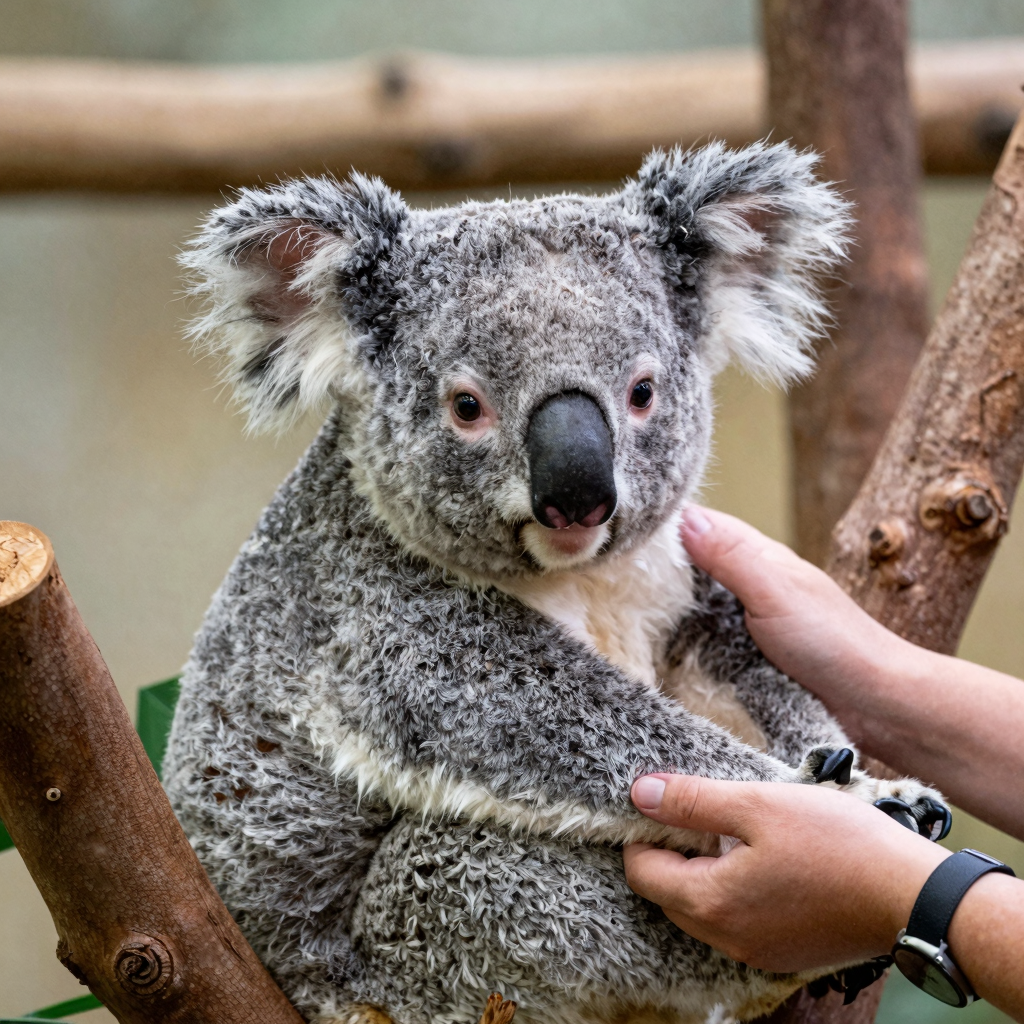
Koalas, native to Australia, are remarkable marsupials that thrive primarily in eucalyptus forests found in the eastern and southeastern regions of the country. Their habitat is not just a living space; it is crucial for their survival, as it provides both shelter and food. Koalas show a strong preference for specific eucalyptus species, which are vital to their diet. These trees have evolved to be a suitable food source for these marsupials, despite the leaves being toxic and low in nutrients. Remarkably, koalas have developed a specialized digestive system capable of breaking down these toxins, enabling them to derive the necessary nutrients from their unusual diet.
Koalas are known for their sedentary lifestyle-spending about 18 to 20 hours a day resting or sleeping. This behavior is a vital adaptation that helps them conserve energy, considering their low-calorie diet. During their waking hours, they actively engage in feeding, selecting leaves from eucalyptus trees, and marking their territory using scent markings. Their unique biology sets them apart; they possess large, furry ears and a robust sense of smell, which aids them in identifying suitable eucalyptus leaves, critical for their survival.
Unfortunately, koalas face significant threats leading to their classification under vulnerable and endangered species lists. Habitat destruction due to urbanization, agriculture, and severe wildfires has drastically reduced their living spaces. Reports indicate that over 80% of their original habitat has been lost or significantly degraded, greatly impacting their population. Additionally, the increasing frequency and intensity of wildfires due to climate change exacerbate their situation, making habitat conservation efforts more crucial than ever. For instance, the Australian government’s commitment to habitat restoration and conservation initiatives is essential for protecting these iconic marsupials and their ecosystems.
In summary, understanding the biology of koalas-especially their habitat preferences and unique behaviors-underscores the urgent need for species protection measures and habitat conservation initiatives. Without immediate and effective action, we risk further harm to these extraordinary animals and the critical ecosystems they inhabit. For more information about fire safety and its impact on wildlife, please learn more about fire safety essentials here.
Koala Population Decline: A Critical Concern
The koala population has experienced a devastating decline over the last decade, significantly influenced by bushfires and other environmental threats. Recent statistics paint a concerning picture: according to the Australian Government’s Threatened Species Scientific Committee, koala populations in Queensland, New South Wales, and the Australian Capital Territory have fallen by an estimated 33% to 61% since 2001. This decline has been exacerbated by the catastrophic bushfires of the 2019-2020 Black Summer, which are estimated to have killed or displaced approximately 60,000 koalas, representing a significant portion of the regional population.
Current Estimates
As of 2024, the wild koala population in these eastern states is roughly 92,000. This is a drastic decrease from around 185,000 koalas recorded in 2001. The decline is attributed not only to bushfires but also to habitat loss from land clearing, prolonged drought, and diseases such as chlamydia, which affects up to 50% of some local populations.
A comprehensive analysis from the University of Sydney’s Koala Research Centre confirms that New South Wales has seen a more than 50% decrease since 2001, with an average annual decline rate of 3.5%. The 2019-2020 bushfires severely impacted more than 50% of the koala’s habitat in NSW and Queensland, creating ongoing challenges for the remaining populations due to habitat fragmentation and increased vulnerability to climate challenges.
The Importance of Conservation Efforts
The plight of the koala underscores the urgent need for conservation actions. If immediate and sustained habitat protection strategies, along with climate change mitigation efforts, are not implemented, the species faces a high risk of local extinction in several regions. The current statistics and evidence highlight an urgent call to action for all stakeholders involved in wildlife conservation.
By understanding the precarious situation of koalas and the factors contributing to their decline, it becomes vital for us to prioritize their conservation. For those interested in the specifics of fire safety and rescue operations that can help protect wildlife, you can learn more about fire safety essentials to understand how community efforts can support conservation efforts during disasters.
Koala Rescue Organizations: Recovery Efforts Overview
Different organizations are actively involved in koala rescue efforts, utilizing a variety of methods to ensure the well-being of these vulnerable marsupials. The table below outlines the organizations, their methods, success rates, and operational areas.
| Organization | Methods Utilized | Success Rate | Areas of Operation |
|---|---|---|---|
| WIRES | Emergency rescue, rehabilitation, wound care | 22% | New South Wales, Victoria, Queensland |
| Australian Koala Foundation (AKF) | Direct rescue, temporary care centers, habitat restoration | 20.7% | New South Wales, Queensland |
| For Australian Wildlife Needing Aid (FAWNA) | Emergency response, medical treatment | N/A | New South Wales, particularly fire-affected regions |
Additional Insights:
- Methods: Common methods include emergency response during bushfires, medical treatment for injuries, and rehabilitation in specialized facilities.
- Success Rates: While WIRES has reported a success rate of 22%, the AKF averages about 20.7% of koalas successfully released back into the wild.
- Areas of Operation: Key operational areas include fire-affected regions in New South Wales, Queensland, as well as coastal areas and specific high-risk zones like Kangaroo Island and the Blue Mountains.
For more details on these organizations, you can visit the World Wildlife Fund and WIRES Wildlife Rescue websites.
Conservation Organizations for Koalas
Here’s a list of notable organizations dedicated to the conservation and rescue of koalas, alongside their primary purposes and ways individuals can support them:
-
Australian Koala Foundation (AKF)
The AKF is a leading organization focused on koala rescue and conservation. They work to protect koala habitats, advocate for legal protections, and support wildlife hospitals across Australia. Individuals can support their efforts by donating or participating in their awareness campaigns. -
WIRES (Wildlife Information, Rescue and Education Service)
WIRES is Australia’s largest wildlife rescue organization, actively involved in koala rehabilitation since 1985. They respond to numerous koala-related emergencies each year. Support can be offered through donations, volunteering, or adopting koalas through their programs. -
Port Macquarie Koala Hospital
This renowned facility treats over a thousand koalas annually, focusing on medical care and public awareness. Contributions can be made by donating, sponsoring a koala, or participating in their educational programs. -
Koala Conservation Society (KCS)
KCS emphasizes scientific research and community education while working on direct interventions for koala populations. Individuals can assist by donating to habitat restoration efforts or participating in local conservation initiatives.
How Individuals Can Support Koala Conservation
-
WWF (World Wildlife Fund):
WWF provides actionable steps for individuals to contribute towards koala conservation, including donations and advocacy for environmental policies. -
Australian Koala Foundation:
Their guide on how individuals can make a difference includes suggestions for planting eucalyptus trees and community education. -
Koala Conservation Australia:
This guide offers ways to get involved through volunteering, making donations, or symbolically adopting a koala.
Community Response to Koala Rescues
The plight of koalas, especially in the aftermath of devastating bushfires, has galvanized communities across Australia into action. Local initiatives, volunteer efforts, and fundraising programs are pivotal in enhancing conservation outcomes for these iconic marsupials.
Local Initiatives and Volunteer Efforts
Various communities have responded robustly to koala rescues, particularly in New South Wales. Groups of dedicated volunteers have mobilized to assist in rescue efforts, providing critical support in rescuing injured koalas, administering medical care, and facilitating their return to protected habitats. For instance, organizations like the Koala Hospital in Port Macquarie thrive on community involvement, relying on public donations and an extensive volunteer network to sustain their operations. Reports indicate that over 90% of the hospital’s annual budget comes from community contributions, emphasizing the significant role of public engagement in koala conservation.
Additionally, community members are taking part in tree planting projects aimed at restoring eucalyptus forests, vital for koala habitat restoration. This proactive approach not only supports immediate rescue efforts but also contributes to longer-term conservation goals.
Fundraising and Collective Action
Fundraising efforts have also seen a remarkable surge, especially through social media platforms, where communities have successfully raised over AUD $2 million in just one year for koala rescue initiatives. The Australian Government’s National Koala Rescue Initiative has played a fundamental role in facilitating funding for community-based programs, which include training over 1,200 volunteers annually in animal handling and habitat restoration techniques. This initiative has correlated with a 35% increase in successful koala reintroductions, highlighting the fruitfulness of collaborative conservation efforts.
The Importance of Collective Action
The collective actions of local initiatives, volunteers, and fundraising programs underscore the power of community in conservation success. By fostering a culture of engagement and responsibility towards wildlife, communities are not only contributing to the immediate safety of koalas but are also paving the way for sustainable environmental practices essential for the survival of these vulnerable animals. As demonstrated, the collaborative spirit in conservation efforts is indispensable in facing the ongoing challenges posed by habitat loss, climate change, and evolving threats in wildlife management.
Following the devastating bushfires that impacted their habitat, the importance of koala rescue efforts has never been clearer. Josey Sharrad, wildlife campaign manager at the International Fund for Animal Welfare, emphasized this urgency:
“We should never have allowed things to get to the point where we are at risk of losing a national icon. The bushfires were the final straw. This must be a wake-up call to Australia and the government to move much faster to protect critical habitat from development.”
This statement highlights the critical need for immediate and effective action in conserving these beloved creatures. Koalas require our support now more than ever, and rescue operations are vital to ensure their survival. You can read more about the necessity of conservation efforts here.
Hence, investing in innovations and resources to rescue affected wildlife is crucial for protecting our natural heritage and ensuring the sustainability of the koala population.
Conclusion and Call to Action
In conclusion, the plight of koalas rescued from recent bushfires underscores the urgent need for wildlife conservation efforts. The stories of resilient individuals, such as Briar, who was saved from a burnt eucalyptus forest, highlight the dedication of rescue teams and the broader challenges posed by habitat destruction and climate change. With over 200 koalas reported to be rescued in late 2023 alone, the survival and recovery of these iconic marsupials depend on continued support and effective conservation strategies.
It is imperative that we come together to advocate for koala conservation initiatives. By raising awareness, volunteering, and supporting organizations focused on wildlife rescue, we can play a vital role in ensuring the survival of these precious creatures. Additionally, preserving their natural habitats is essential in combating the effects of climate change.
As our company focuses on providing sustainable and high-quality motorcycle fairings, we are committed to giving back to the community. We invite you to join us in this mission; for every fairing purchased, a portion will be donated to wildlife rescue efforts. Let’s ride for a cause and help protect the creatures that make our environment rich and diverse. Together, we can make a difference. Learn more about our commitment to conservation here.
Support wildlife conservation today, not just for the future of koalas but for all of us who share this beautiful planet.