The challenge of rescuing individuals from balconies, particularly in high-rise structures, is a critical aspect of urban firefighting. As cities grow taller and more densely populated, the need for specialized rescue techniques becomes increasingly vital. This article delves into the intricate methods utilized by fire departments, the equipment specifically designed for balcony rescues, and the extensive training firefighters undergo to ensure effective operations. Each section will unravel the complexities involved in balcony rescues, presenting a holistic understanding of the strategies that save lives in desperate situations. From the physical techniques employed to the adaptation to unique challenges, every aspect is designed to highlight the dedication and precision of fire service personnel. Real-life case studies will further illuminate the successes achieved in this field, showcasing both the triumphant and challenging moments in emergency service.
Balcony Rescue in the Skyline: How Fire Departments Reach and Save People on Elevated Living Spaces
When a balcony becomes the stage for an emergency, the clock tightens and every decision carries a weighty mix of risk and precision. In many urban centers, a balcony rescue is not a single, simple leap from a window to safety but a sequence of carefully choreographed moves that begins the moment firefighters are told where occupants are and ends only after the last person is back inside a safe environment. The core of this drama rests on a quiet truth: height amplifies fear, but it is height that firefighters train to master. The response hinges on choosing the right approach for the specific balcony, the structure behind it, and the smoke and heat that may make the edge of the building feel like a moving target. Across cities and regions, the equipment and techniques described here recur because they address the same fundamental questions: How high is the balcony? What is the condition of the building and the balcony itself? Are there hazards like flames, falling debris, or compromised stairs? How quickly can occupants be guided to safety, and how can responders keep the rescue team secure in the process?
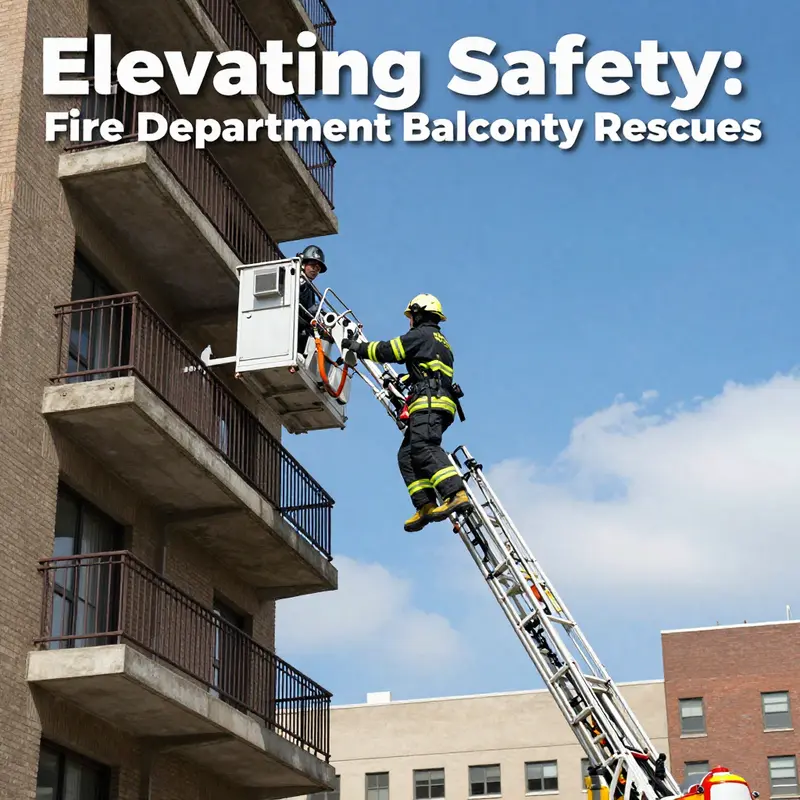
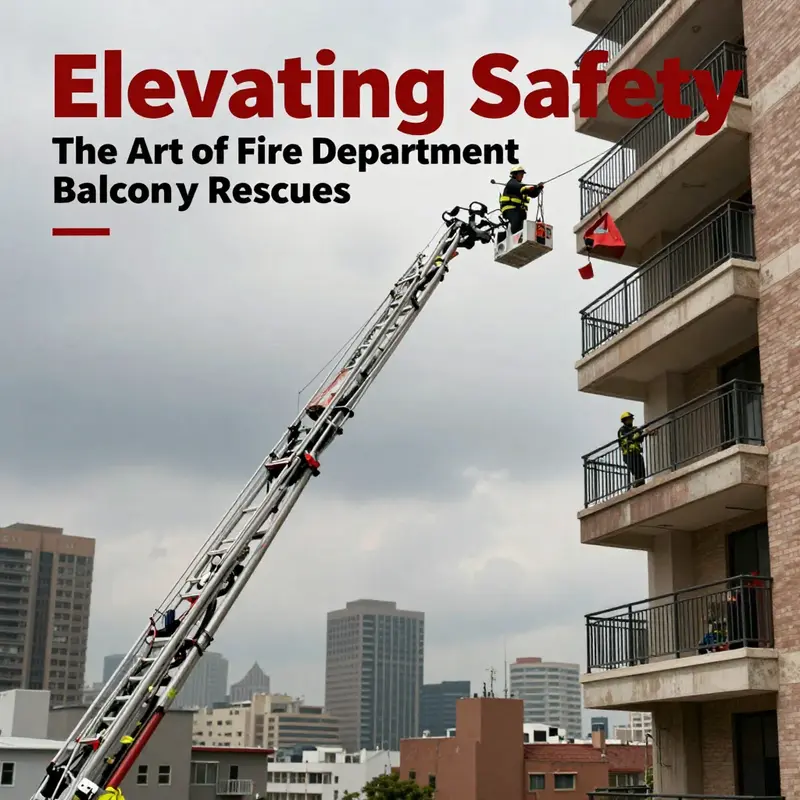
Aerial ladder trucks form the most recognizably dramatic tool in the balcony-rescue toolbox. The ladder, often featuring an articulated boom and a stabilized platform, can extend to a balcony with accuracy honed by years of training. The operator uses the articulations to reach around obstacles—a window, a protruding balcony edge, or a neighboring balcony where the firefighter must stage before entering the target area. The platform or basket provides a stable point from which firefighters can enter the occupied balcony, communicate with occupants, and guide them toward the exfiltration path. When winds gust or a fire is gnawing at a concrete corridor, the stability of a well-positioned aerial platform can be the line between a successful rescue and a frantic scramble that leaves more people at risk. The physics behind these moves are straightforward in concept but exacting in practice: proper distance, precise tilt, and steady speed matter as much as the operator’s hands and feet do. Modern aerial apparatus enhance this capability with booms that bend in multiple directions, allowing responders to approach balconies from angles that minimize exposure to heat and falling debris while keeping the occupant within a line of sight and control.
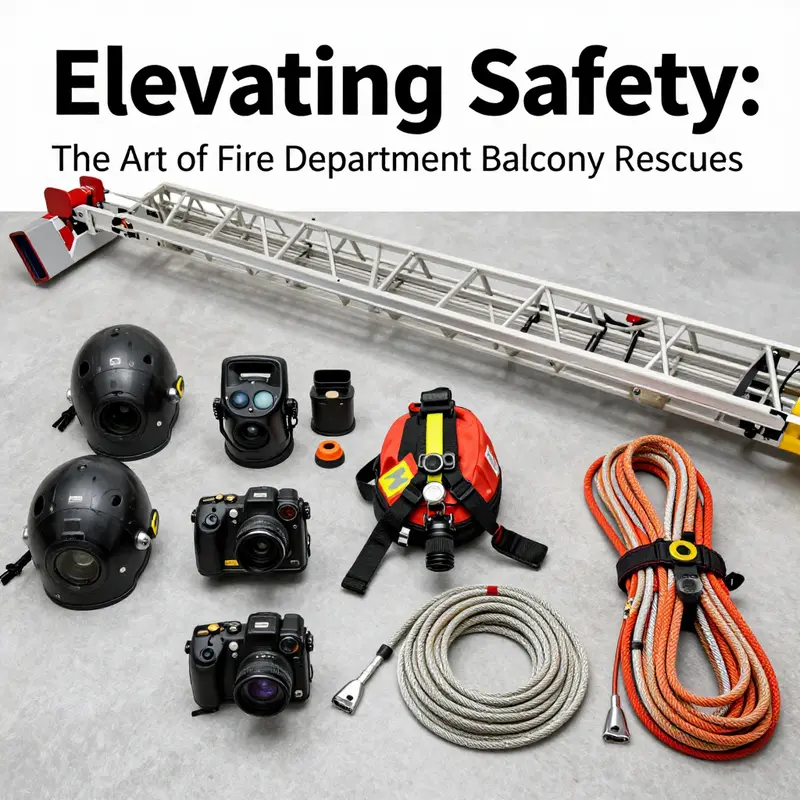
Yet not every balcony is accessible or safe to approach with a ladder. Urban geometry can block the path, with overhangs, adjacent structures, or the balcony’s own design creating an impassable barrier. This is where rescue ropes and harnesses step into the foreground. In the hands of trained rescuers, these systems enable a controlled descent from a higher vantage point to reach a balcony that would otherwise be inaccessible. A rescuer can secure a harness around themselves and a belay line, then descend with the gravity and rope system carefully managed by a partner above. The occupant is guided or hoisted to safety via a coordinated sequence of anchors, knots, and braking devices that keep both rescuer and occupant steady in a potentially chaotic environment. The rope rescue approach is particularly vital when parts of the building are structurally compromised, when the balcony is recessed behind a protruding façade, or when the internal stairwell has become inaccessible due to smoke, heat, or collapse.
In some emergencies, time and space dictate a more conservative path. Confined space rescue techniques—adapted from their traditional use in narrow rooms or shafts—become relevant when mobility is constrained by the balcony’s design or when the interior is not a viable path to safety. Firefighters trained in these techniques learn how to manage air currents, avoid entrapment, and create a workable exit flow through limited openings. The goal remains the same: to move victims toward a secured egress with the least possible disturbance to the structure and with the least risk to the rescuers. Such work demands not only physical skill but the capacity to read a balcony as part of the upper-story ecosystem—where heat travels, smoke layers shift, and structural elements may shift or crack under stress. The most effective balcony rescue blends ladder access where feasible with rope systems where necessary, using each tool at the moment it provides the safest and quickest path to safety.
Smoke and heat do not merely threaten the occupants; they obscure the rescuers and complicate the search. Thermal imaging cameras have become indispensable in this light. These devices cut through smoke to locate bodies, identify pockets of heat that signify people huddling in a room, or reveal a missing resident behind a closed door or curtain. The ability to see through a building’s veil allows crews to plan a route that minimizes exposure for everyone involved. When used in concert with ventilation tools that operate to clear smoke and improve visibility, thermal imaging helps responders prioritize entry points, estimate occupant health, and time each phase of the rescue to reduce the occupants’ time in the danger zone. The combination of heat detection and smoke management is a practical reminder that balcony rescues are not merely about reaching a person; they are about bringing that person to safety with a clear view of the path forward.
There are scenarios where even a well-positioned aerial platform or a rope system cannot safely reach a balcony. In extreme cases—such as a fire that has compromised a balcony’s structural integrity or a collapse that blocks all conventional access—participants may turn to helicopters equipped with hoists. This option, while rare, represents the ultimate escalation pathway. It introduces another set of challenges: ensuring the safety of the occupants during pickup, selecting landing zones, and coordinating hoist operations with ongoing interior rescue efforts. Helicopter hoists are deployed only after thorough assessment and in alignment with federal and local aviation guidelines, and they require a highly choreographed teamwork that extends across multiple agencies.
Beyond the hardware and the maneuvers, balcony rescues rely heavily on communication. Firefighters must convey calm and clear instructions to occupants who may be frightened, disoriented, or partially deafened by smoke and sirens. They use a combination of audible direction, hands signals, and, where possible, two-way communication via radios. The occupant’s understanding of the plan—knowing where to stand, when to move, and what to expect next—reduces hesitation and improves the chance of a smooth transition from danger to safety. This line of communication is as critical as any tool in the kit because it can determine whether a person remains emotionally intact enough to cooperate under stress or becomes overwhelmed by fear.
All of these methods depend on rigorous training and regular preparedness. Fire departments emphasize practice that mirrors the unpredictability of real-world balcony rescues, including drills that simulate high-rise conditions, multiple hazards, and crowded occupancy. The objective is not merely to memorize a sequence of steps but to cultivate instinctive teamwork. A ladder operator must know when to stabilize the platform, when to advance the crew, and how to communicate to the occupant with the least disruption to the immediate environment. Rope teams rehearse drop and anchor procedures, belay management, and the choreography of rescuing an occupant from a balcony without compromising the rescuer’s own safety. The emphasis on training extends to coordination with building management and local authorities, so the responders can operate with pre-planned access routes, elevator systems that may be used temporarily for egress, and a shared understanding of how to manage crowds or families that gather on the street below.
In this continuum of skills, building knowledge matters as much as technical capacity. Pre-incident planning—often facilitated by building managers—creates a map of potential balconies, stairwells, and utility corridors. It may identify the most accessible entry points on various floors, the likely smoke movement patterns in different wind conditions, and any architectural features that could complicate a rescue. When a call comes in, that planning translates into faster, safer action because crews already know where to position their equipment and how to approach the occupant in a way that aligns with the building’s structure and the resident’s needs. This is why communities emphasize not only physical readiness but also a culture of collaboration among responders, occupants, and building staff. The aim is to make balcony rescues as predictable as possible in the face of chaos, with every passerby and resident understanding the sequence and the reasons behind each move.
For responders and the households they serve, knowledge also extends to the continuum of protection that begins with prevention and continues through response. Occupants on balconies can be coached on self-protection measures: moving to a safer room, closing doors to slow smoke, and signaling to responders where they are most likely to be found. Firefighters, in turn, can use lessons from previous rescues to adapt to new balcony designs and evolving construction methods. The dynamic nature of high-rise living means every rescue is a fresh puzzle, but the underlying principles remain constant: reach with the safest option first, have a backup plan ready, use mechanical advantage and protective gear to minimize exposure, and maintain clear, compassionate communication with anyone awaiting assistance.
The chapter of balcony rescues—though filled with specialized tools and procedures—ultimately centers on the human element. It is about meeting fear with competence, timing with prudence, and extraction with care. It is a discipline built on the confidence that the right combination of aerial access, rope systems, containment and ventilation, and witness-ready communication can transform a moment of danger into a story of safety. This coherence across tools and tactics is what enables fire departments to fulfill a promise—to bring people off elevated living spaces and to return them to the ground with as little harm as possible. For readers and responders alike, the scene is a reminder that rescue is both science and art, where apparatus and heart work together to protect life on the edge of the skyline.
For readers seeking to deepen their own readiness or support a local department’s training efforts, resources such as fire safety essentials certification training can provide a practical starting point for understanding the framework behind these balcony rescues. Engagement at the community level helps ensure that the people who live and work in high-rise environments are as prepared as the responders who may reach them on a balcony. And as the skyline evolves, the core elements of balcony rescue—accessible ladders, versatile rope systems, smoke management, clear communication, and thorough training—remain the compass by which every rescue is steered toward safety.
External resource: https://www.nfpa.org/News-and-Research/Publications/Code-Update/2024/Fire-Department-Operations-and-Safety
null
null
Balcony Rescue Readiness: Training Firefighters for High-Angle and High-Rise Emergencies
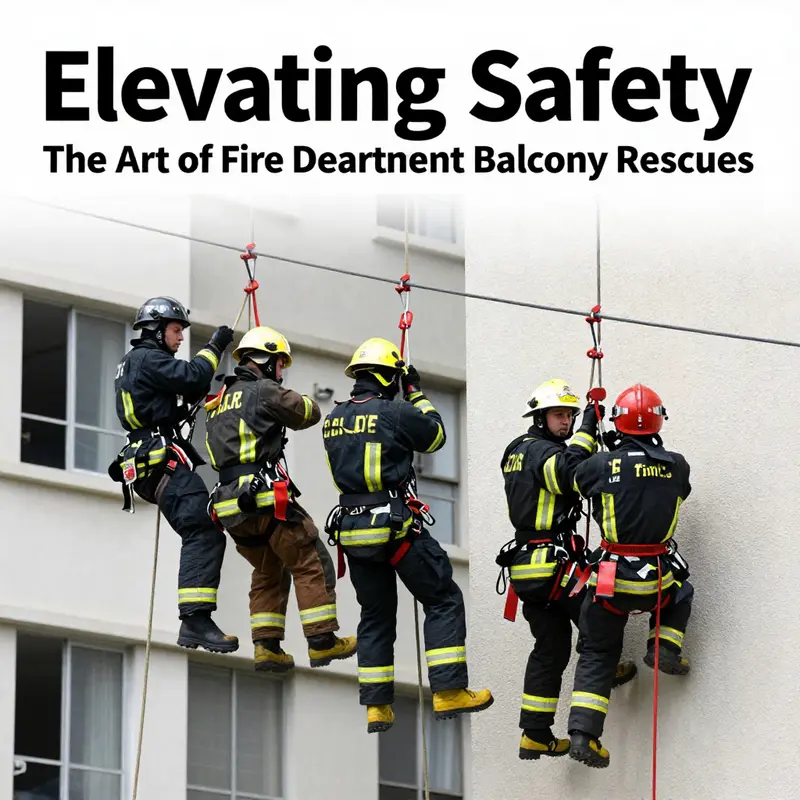
Rescues from balconies sit at the intersection of urgency, technical skill, and steady nerves. In modern cities, balconies are not simple access points but potential chokepoints where heat, smoke, and shifting structural conditions can complicate every move. Fire departments face a spectrum of scenarios: a resident trapped on a mid-level balcony waiting for a clear path to safety, a balcony tilted by fire or collapse, or a high-floor rescue where external access must be established without compromising the structure or the occupant. The choreography of intervention begins long before the siren, with training that blends core firefighting competence with specialized rescue techniques. The aim is not only to reach someone quickly but to bring them through a narrow window of risk with precision, care, and clear communication. This is the heart of balcony rescue readiness: a mindset and a set of practiced responses that can translate across the height of a building and the volatility of a live incident.
The training philosophy rests on realism without compromising safety. Instructors design drills that simulate the uncertainty of a balcony emergency while rigorously controlling risk. Trainees are exposed to high-angle scenarios that require careful rope work, anchor assessment, and patient handling while maintaining situational awareness of fire conditions and potential falling debris. Aerial ladder platforms, when available, become part of a broader toolkit rather than a one-size-fits-all solution. Firefighters learn to evaluate the balcony’s geometry, the stability of the façade, and the potential for shifting loads as victims move or equipment is repositioned. The goal is to develop a fluid capacity: to switch seamlessly from apparatus-based access to rope systems, or to combine both in a synchronized operation. This fluidity is what separates a well-executed balcony rescue from a rushed attempt that could endanger both the rescuer and the resident.
The equipment repertoire at the training level mirrors the diversity of real-world demands. Teams train with extendable ladders and platforms designed to reach upper stories and approach residents on perilous edge points. They also practice with robust rope systems and harnesses that enable vertical ascent and controlled descent when ladders cannot be placed due to space constraints or structural risk. The habit of securing an anchor and managing a belay becomes second nature, because on a balcony rescue, a misstep can have cascading consequences. Firefighters rehearse rapid yet measured patient handling—from stabilizing a person on a balcony to transferring them into a safe transport position—while maintaining continuous communication with the incident commander and with occupants who are anxious about the unfolding process. The emphasis is not solely on speed but on the stability of every action; speed without control can magnify danger, whereas deliberate technique can preserve life while reducing risk to others nearby.
Beyond ladders and ropes, the discipline extends to how crews operate in environments where light is scarce, visibility is compromised, and doors or windows may be hot or blocked. Thermal imaging cameras play a crucial role in locating individuals when smoke shrouds the exterior, guiding teams to the safest approach. Ventilation tools help clear the path and improve the chances that a balcony victim can be moved to an interior corridor or stairwell with clarity. The training emphasizes that technical rescue and fire suppression are not mutually exclusive efforts but complementary parts of a single mission. Venting, for example, can be timed to minimize the spread of heat toward an endangered balcony, reducing the intensity of the hazard as the rescue unfolds. This integrated approach reflects how modern departments operate on real incidents: coordinated, multi-disciplinary, and adaptive to the conditions on the ground.
Session after session, instructors stress the critical importance of communication. In balcony rescues, every action depends on accurate information that travels from the incident commander through team leaders and down to individual firefighters. Clear hand signals, concise radio calls, and well-understood roles prevent confusion when the clock is ticking and the environment is unforgiving. The human element—calm, confident leadership and trust among team members—becomes as essential as the technical know-how. Trainees practice crisis communication with displaced residents, guiding them toward safe exit points while explaining what the team is doing and how long the process is likely to take. Occupant guidance is not an afterthought but a core responsibility, because a frightened resident who follows instructions can markedly reduce the complexity and duration of the rescue.
One of the most striking aspects of balcony rescue training is its deliberate cross-pollination with other rescue specialties. A recent and revealing example comes from Shropshire Fire and Rescue Service, where a broad program has expanded the depth of skill sets across the service. More than 500 firefighters participated in a comprehensive water-based training initiative conducted in rivers and lakes across Wales, including locations such as Llangollen, Bala, and the Menai Straits, before moving on to more demanding exercises in the fast-flowing River Severn near Shrewsbury, Telford, and Bridgnorth. While these sessions were primarily designed for swift-water and water-rescue operations, the competencies that develop there—swift-water navigation, rope rigging, victim extrication, and team coordination under pressure—translate directly to high-angle balcony rescues where balance, controlled movement, and precise harness work are essential. Environmental realism is a core feature of these drills: currents, changing water levels, and variable weather conditions provide a dynamic backdrop that mirrors the unpredictability of urban rescue environments. The result is a more resilient, adaptable firefighting corps whose members can apply the same principles of stability and communication whether they are dealing with a flooded riverbank or a balcony that presents a moving target for safety.
The value of such cross-disciplinary training becomes particularly evident when considering the chain of decisions that unfolds at an incident. A balcony rescue rarely hinges on a single tool or technique. It demands an assessment of height, access routes, structural soundness, and the potential for pathogens or other hazards within a resident’s living space. Training incorporates this broad view: the incident commander cultivates a mental model of risk that evolves with new information, and the team carries out rehearsed contingency plans for a variety of possible obstacles. If a balcony proves too compromised to mount a ladder, the crew can pivot to a rope-based approach with anchor redundancy and a controlled descent that places the victim on a safer level. If heat and smoke intensify, the team can temporarily withdraw to reassess and re-enter with improved ventilation strategies. This adaptability—backed by rigorous drill work—enables crews to keep residents safe while preserving the safety of responders, which is the ultimate test of balcony-rescue readiness.
The human and physical elements of training dovetail with ongoing professional development. Recruit programs lay the foundation with core firefighting skills—breathing apparatus use, search and rescue, scene awareness, and hazard recognition—while gradually layering in specialized rescue competencies. From the outset, new firefighters learn to think in terms of incidents, not just tasks. They are taught to see balcony rescues as a complex, rapidly evolving operation that demands precise sequencing, effective risk management, and a disciplined approach to teamwork. As they advance, specialists refine their ability to operate in high-angle scenarios, perform rope-access techniques, and coordinate with other units or agencies when a balcony rescue becomes part of a larger incident. The continuous cycle of training, evaluation, and scenario-based practice ensures that every firefighter who might encounter a balcony rescue has earned a level of readiness that translates into reliable performance under pressure.
The connection between these training strands and daily readiness is reinforced by resources that emphasize practical, scenario-driven learning. For instance, ongoing programs highlighted by training and rescue-focused communities stress the importance of tower-based drills and other structured opportunities to test technique under realistic conditions. These efforts are not abstract exercises; they are designed to build muscle memory and decision-making speed so that when a balcony rescue occurs, responders can execute with confidence while maintaining safety margins for all involved. The aim is a fluent, adaptable response that remains anchored in safety, respect for occupants, and a clear, coordinated plan of action.
For readers who want to explore a concrete example of how training narratives translate into on-the-ground readiness, consider the linked discussions about firefighter training and tower dedication, which illustrate how persistent investment in skills and scenarios strengthens overall rescue capability. firefighter training and tower dedication
As these training paradigms mature, the results begin to show in the field. The most successful balcony rescues hinge on teams that have practiced a wide repertoire of approaches and can pivot instantly between them. They are the teams that can apply a calm, measured, and well-communicated plan even when smoke obscures vision, or when a balcony shifts under load. They are the teams whose occupants experience a sense of steadiness and trust because responders move with purpose, explain their actions, and protect the dignity of the people they are trying to help. In this sense, balcony rescue readiness is not just about hardware or technique; it is about building a culture of practiced excellence that can rise to meet the most demanding urban emergencies.
The broader narrative of modern firefighting continues to be shaped by these integrated training efforts. While every balcony scenario has its unique variables, the underlying discipline remains consistent: reliable access, controlled movement, and compassionate occupant engagement. The cross-pollination from water-rescue training and high-angle rope work enriches the skill set available to every responder, ensuring that when the alarm sounds, the response is not a single tool in isolation but a coordinated ensemble. In cities and towns where balconies represent common thresholds between danger and safety, this readiness translates into faster, safer, and more humane outcomes for residents who depend on the fire service in moments of crisis. External resources and ongoing program updates, such as those documented by regional fire authorities, continue to inform practice and push the standard higher, ensuring that balcony rescues keep pace with evolving urban landscapes. External reference: https://www.shropshirefire.gov.uk
Balcony Rescues Under Pressure: Navigating Height, Hazard, and Timing in High-Rise Emergencies
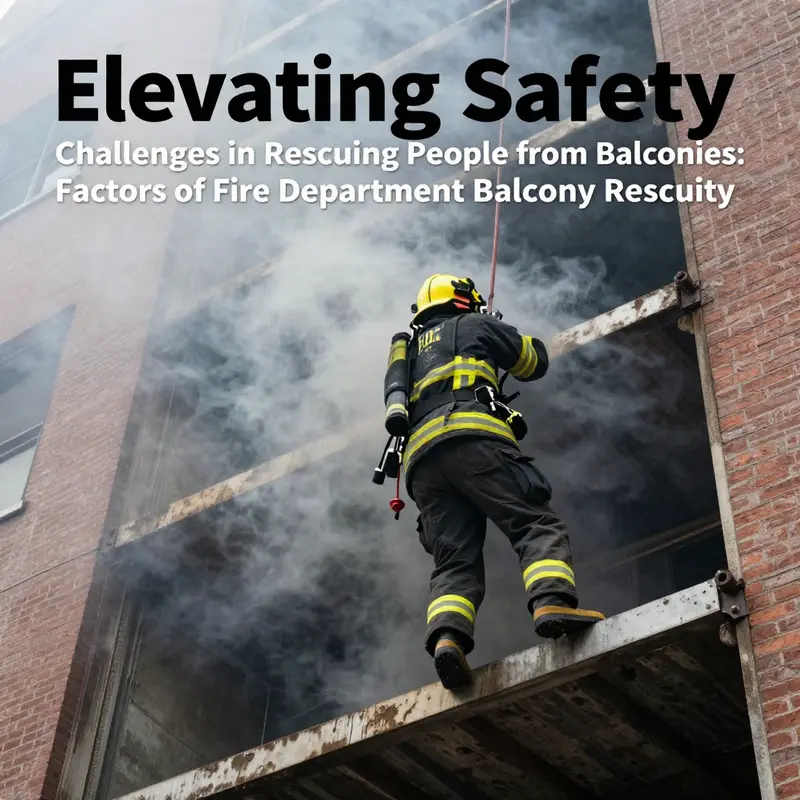
When a window shatters, a flame crawls up a facade, or a panicked figure huddles on a balcony railing, the fire department faces a problem that is as much about psychology as physics. Balcony rescues in high-rise settings are among the most demanding operations in modern firefighting because they sit at the intersection of extreme height, volatile environments, and the narrow window in which every decision must be both fast and right. The smoke and heat intensify not just the danger to the trapped person but also the risk to rescuers who must close the distance between safety and peril. In these moments, the rescue plan is less a single technique than a living, adapting sequence that ties together equipment, training, visibility, and a calm, relentless focus on preserved life.\n\nThe most visible tool in high-rise balcony operations is the aerial ladder, the extendable platform that can reach distant balconies and deliver rescuers to the victim with a controlled, stable platform. Yet even the most capable aerial apparatus has limits. A typical working height for standard ladder trucks hovers around 50 meters, roughly 17 stories, which means that truly tall structures often outpace conventional ladders. Even when a balcony is within reach, the ground conditions around the building can complicate deployment. Narrow streets, blocked access routes, or the presence of vehicles in designated clear zones can force teams to improvise, delaying the moment when victims can be reached. The stubborn truth is that reach and stability are not guaranteed luxuries but scarce resources that must be earned through disciplined pre-incident planning and on-scene assessment.\n\nInside these constraints lies a second layer of complexity: the environment near the rescue site. The wind, heat, and movement of air around a burning facade can destabilize ladders and threaten the vulnerable platform where a survivor sits. High winds may create motion that makes a calm, secure approach seem nearly impossible, and heat can soften materials or cause protective gear to degrade more quickly. When external cladding is involved, particularly if it is plastic or foam insulation, the exterior can become a fuel source that accelerates the spread of flame and complicates the escape route. In some high-profile incidents, external scaffolding and temporary coverings have contributed to the danger, turning a balcony into a hazardous corridor rather than a safe ledge. Balancing speed with stability becomes not just a tactic but a life-preserving discipline.\n\nThe possibility of structural instability adds another dimension. Fire can compromise balconies, railings, and supports, so rescuers must constantly reassess risk as they approach the person on the balcony. The unfortunate memory of collapses serves as a reminder that a balcony is not a fixed stage but a dynamic element of a larger, unpredictable failure chain. Even if the balcony appears intact, the floor may buckle under load or fail suddenly. In the most severe cases, rescuers have to pivot away from the balcony entirely and pivot toward alternate routes — for example, deploying a rope system from an adjacent safe point to lower or raise a survivor, or creating a vertical descent alongside the building with trained rope technicians. Rope rescue is not a fallback trick but a high-skill, high-safely-required capability that depends on precise technique, rigorous knot security, and controlled belay systems. The mental calculation behind such choices is constant and exacting: which path minimizes risk to the person on the balcony, which minimizes risk to the rescuers, and how to maintain the line of communication that keeps the victim oriented toward a viable exit.\n\nCommunication with the trapped person is as critical as the mechanical aspects of the rescue. Victims on a balcony are frequently overwhelmed by heat, smoke, and the adrenaline of peril. Their capacity to listen, understand, and follow instructions can be impaired, which makes the role of the incident commander and the rescue team leader pivotal. Clear, concise guidance helps victims know where to stand, when to brace, and how to cooperate with rescuers who may be approaching from above, below, or from an adjacent balcony. The psychological state of the trapped individual—panic, confusion, disorientation, or pain—can spike quickly and alter the dynamics of the operation. Therapies for calm, steady communication are as important as physical rigging, and responders must be trained to read a survivor’s nonverbal cues, adjust their tempo, and reassure without creating additional anxiety. Precision under pressure becomes the thread that holds the entire rescue together.\n\nThe process of coordinating interior and exterior teams underscores another essential truth: balcony rescues are rarely a one-link chain but a linked chain of operations that demands synchronized timing. Inside the building, crews conduct interior searches to locate additional victims and to assess stairwells and corridors for safe egress routes. Exterior teams, meanwhile, must secure a stabilized platform, manage the risk of falling debris, and maintain a clear approach path for the victim’s transfer from balcony to rescue device. The synchronization of these parallel efforts is achieved through rehearsed protocols and drills that stress seamless communication, rapid information sharing, and adaptive decision making. The more familiar responders are with the building’s layout and the expected site conditions, the faster they can switch from rescue mode to medical triage and transport mode, all while preserving a continuous chain of custody for any potential hazards such as fuel leaks or electrical risks.\n\nAll of this activity hinges on the foundational strength of training and preparedness. Regular drills that simulate balcony rescues, including scenarios that involve blocked access and compromised ground stability, help firefighters develop a mental map of what to do when the clock is ticking. The emphasis is not on flashy maneuvers but on disciplined, stepwise actions: locate the safest point of entry, deploy the most feasible ascent or descent method, ensure a secure transfer, and then move decisively to medical care. The value of training emerges most clearly when teams must switch strategies in mid-rescue in response to evolving conditions, such as a sudden flare in the stairwell or a shift in wind direction that changes a formerly safe tether line into a hazard. In those moments, the rescue becomes a disciplined dance of risk assessment, resource allocation, and precise execution, where even minor missteps could have grave consequences.\n\nThe complexities of balcony rescues also highlight the importance of shared experience and cross-team collaboration. Interior teams, exterior teams, and specialized rescue technicians must operate as a unified unit, each understanding the capabilities and limitations of the others. This unity extends to the planning phase, where a rescue plan is formulated with contingencies for multiple potential outcomes. It also extends to resource management—ensuring that enough water pressure for suppression systems is available where needed, coordinating with medical teams for rapid transport, and maintaining situational awareness as conditions change. The human factor—the ability to stay calm, communicate clearly, and execute under pressure—remains the constant that anchors every technical decision.\n\nAs readers reflect on these realities, the case for comprehensive readiness becomes clear. Balcony rescues are not merely about reaching someone on a ledge; they are about maintaining life through a series of careful, tested choices under profound strain. Each parameter—height, wind, structure, victim state, and the surrounding hazards—shifts the balance of what is possible. The best outcomes come from an approach that respects both the art and science of rescue: a blend of technique, equipment, teamwork, and tempered nerve, all guided by a relentless commitment to life.\n\nFor those seeking further learning that foregrounds the training and certification aspects of readiness, resources that emphasize foundational safety standards can be invaluable. fire safety essentials certification training provides a window into the kinds of competencies that translate into reliable performance on scene. In addition to formal instruction, field exercises and preincident planning—drills that simulate balcony operations with escalating constraints—are indispensable for building the reflexes that keep rescuers and victims safe.\n\nExternal contexts, too, illuminate the stakes and the evolving nature of balcony rescues. A high-rise incident in another major city illustrated how quickly a rescue can morph into a broader crisis when external scaffolding and façade materials contribute to fire spread and structural instability. The lessons from that event, and from other real-world scenarios, remind us why training cannot be theoretical and why the choreography of a balcony rescue must be practiced until it becomes almost instinctive. For readers seeking a broader view of the hazards that shape balcony rescues, a detailed report on high-rise rescue challenges offers valuable context about the limits of equipment, the volatility of environmental conditions, and the human factors that determine outcomes. External resource: https://www.newsgd.com/2025/12/23/hk-fire-incident-high-rise-rescue-challenges.html
Beneath the Balcony: The Engineering, Training, and Tactics of Fire Department Balcony Rescues
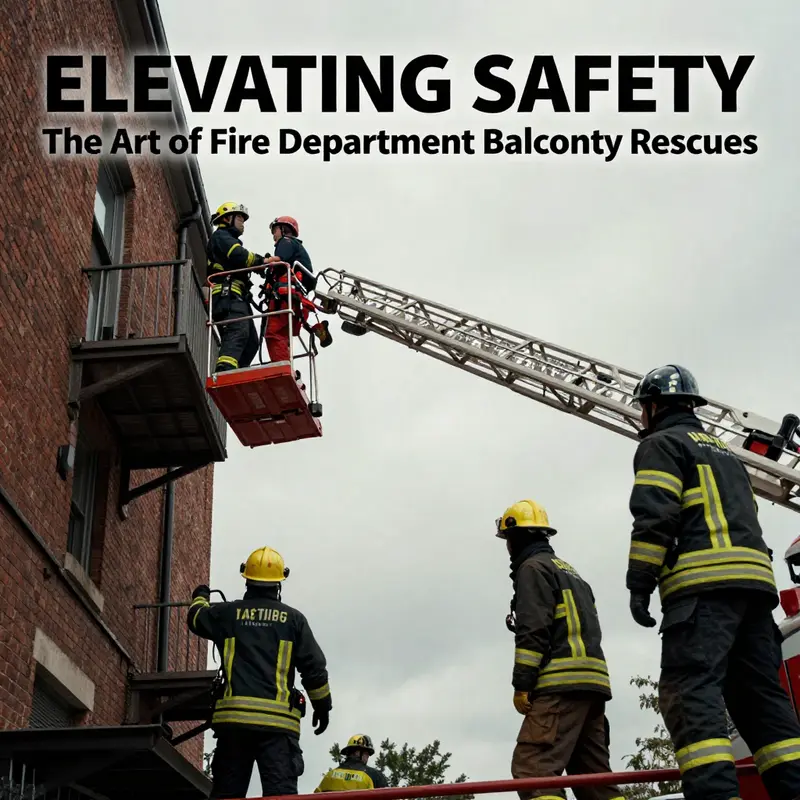
From a distance a balcony may look like a simple ledge, but in practice rescue teams treat it as a high stakes stage where engineering, training, and disciplined procedure converge to protect life. Typical balcony rescues rely on the aerial ladder as a reach and transport platform, with the basket or harness system providing a controlled space for the occupant and the rescuers to communicate, stabilize, and transfer to a safe point on the ground. When a balcony is unsafe for ladder access, trained rope technicians deploy harnesses, anchors, belays, and friction devices to reach the occupant securely and hoist or swing them toward a safer area, always prioritizing balance, communication, and the stability of the rescue system. Central to success is ongoing scene assessment: heat, wind, structural integrity, and occupant condition inform whether speed or steadiness leads the operation. The transfer sequence demands securing the harness or basket, minimizing swing, and maintaining the occupant’s comfort and physiological stability. Ventilation and thermal imaging support visibility and target location, but do not replace direct rescue action; they are layered tools that improve safety during the critical moments. Training underpins all of this, with drills that build cross team coordination, scenario planning, and clear resident communication. In short, balcony rescues are a disciplined blend of reach, rigging, balance, and calm, designed to deliver the resident to safety while preserving the integrity of the building and the responders.
Final thoughts
In summary, the dedication and skill required for balcony rescues demonstrate the vital role fire departments play in urban safety. Through a combination of advanced techniques, specialized equipment, and thorough training, firefighters are equipped to address the complex challenges associated with high-rise rescues. The ongoing commitment to refining these methods and learning from real-life experiences ensures that when emergency strikes, responders are ready to act with precision and courage. Communities can feel a deeper sense of safety knowing that fire departments are not only prepared to manage fire emergencies but also to save lives from precarious situations such as balcony rescues.