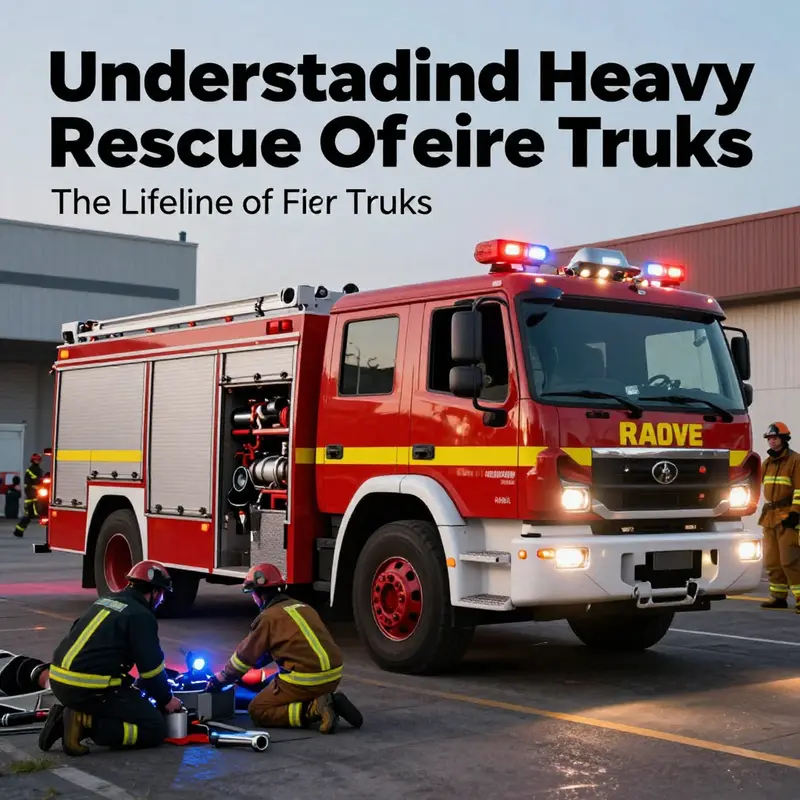
Heavy rescue operations are a vital aspect of emergency response, focusing on complex scenarios where victims are trapped and require specialized interventions. In the context of fire services, heavy rescue fire trucks equip highly trained crews with advanced tools for performing extrications during severe incidents like vehicle collisions and structural collapses. This article explores the intricacies of heavy rescue operations, delves into the specialized equipment that defines these trucks, and examines the critical roles played by rescue teams in emergency situations. Each chapter builds a comprehensive understanding of what a heavy rescue fire truck truly means, reflecting its essential position within our fire and rescue systems.
When Every Second Counts: How Heavy Rescue Units Transform Fire Truck Response
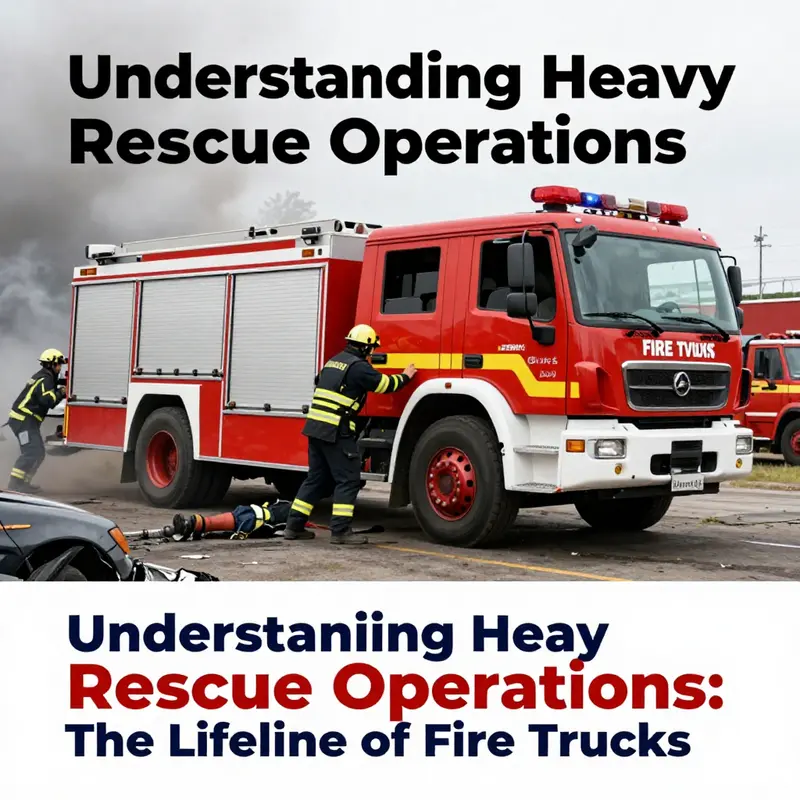
Heavy rescue on a fire truck is not a single tool or a single task. It is a capability — a specialized combination of vehicle design, heavy-duty equipment, technical training, and coordinated tactics that change how a fire department responds when people are trapped, structures fail, or complex hazards block straightforward access. At its core, heavy rescue means bringing resources to the scene that a standard engine or ladder company does not carry: hydraulic cutters and spreaders strong enough to bend metal, air systems to lift tons of debris, shoring and stabilization gear to make unstable environments safe, and the people trained to use them under pressure.
Visualize a multi-vehicle highway collision where one car is crushed between two others, a pickup truck is overturned, and a compact sedan is jammed against a guardrail. Firefighters arrive, quickly triage patients, and set up a safe working zone. But freeing a person trapped by twisted metal will not be solved by hoses or ladders. The heavy rescue unit arrives with a different mission: to create space and pathways where none exist, to control forces that threaten to cause more injury, and to hand victims into the care of medical personnel in the least traumatic way possible. Those actions require purpose-built tools, from hydraulic spreaders and cutters known colloquially as the “jaws of life” to powerful pneumatic or hydraulic rams that can push whole sections of a vehicle away from a patient. They rely on stabilization struts and cribbing to prevent further collapse while cutting proceeds. They use airbags to lift vehicles by inches or feet, and sometimes flame-resistant cutting torches to remove obstructing steel.
A heavy rescue truck is a rolling workshop and command post. It carries power: onboard generators, hydraulic pumps, and compressed air systems. It carries light: high-intensity scene lights and portable battery-driven luminaires that turn night into workable day. It carries extraction kits organized for rapid deployment: hand tools, forcible entry gear, glass management tools, and specialized attachments that adapt cutters and spreaders to different geometries and materials. Victim care is integrated; many heavy rescue rigs include modules for initial medical stabilization, oxygen and spinal immobilization equipment, and space to stage patient packaging. This combination lets rescue technicians work closely with emergency medical personnel without delay.
The people who operate these systems are as important as the hardware. Heavy rescue crews include firefighters trained beyond conventional firefighting tasks — they are technical rescue technicians. Their training covers vehicle extrication, confined space rescue, trench rescue, rope rescue, structural collapse operations, and sometimes hazardous materials awareness. That range exists because the same specialized skills and safety mindset apply across scenarios: assessing structural stability, establishing anchor points, controlling kinetic energy during lifting and cutting, and coordinating multiple teams in a noisy, chaotic environment. These teams practice realistic drills frequently so that muscle memory, communication protocols, and role clarity reduce hesitation when an actual incident occurs.
A practical way to understand the “heavy” in heavy rescue is to consider scale and risk. Standard firefighting equipment is designed primarily for extinguishing fires and performing general life-saving tasks. Heavy rescue deals with problems created by the sheer magnitude of force, weight, and entanglement — cars crushed under several tons of load, buildings partially collapsed, or industrial machinery crushing limbs. Those scenarios require equipment and procedures that can safely manipulate forces far beyond what a firefighter’s basic toolkit can manage. That means heavier hydraulics, engineered struts that can hold great loads, and carefully sequenced operations that prevent unintended movement. The term also signals preparedness for prolonged operations. A heavy rescue incident can last hours or days; the apparatus carries spare tools, extra fuel, and systems for lighting, heating, and command continuity.
Technological advances continue to refine what heavy rescue units can do. Thermal imaging cameras help locate victims through smoke, darkness, or buried debris. Remote-controlled cutting and lifting tools reduce exposure of personnel to unstable zones. Real-time communication systems connect crews on scene with hospital teams and off-site specialists, improving the handoff and avoiding duplicate or conflicting actions. These technologies do not replace basic skills; they extend capability and safety, allowing crews to conduct rescues more precisely and with fewer unnecessary risks.
Beyond tools and tech, heavy rescue work depends on scene stabilization and strategic sequencing. The first priority is always safety — both for trapped victims and for rescuers. That begins with hazard recognition: identifying fuel spills, downed power lines, unstable structures, and atmospheric dangers like carbon monoxide or confined-space asphyxiants. Once hazards are mitigated or isolated, the crew focuses on stabilizing the load. Struts and cribbing prevent a vehicle or pile of debris from shifting while cutters and spreaders operate. Lifting airbags are used with caution because uncontrolled lifts can create new crush injuries; thus, stabilization often precedes lifting. The rescue operation is a choreography of small, deliberate steps, each designed to prevent a sudden change in pressure or balance that could injure the very person the crew is trying to save.
Coordination with other responders is essential. Heavy rescue teams rarely operate in isolation. Police secure the scene and control traffic. EMS provides medical assessment and prepares for immediate treatment or transport. Utility companies may be called to manage electrical hazards. Incident command ensures that every agency understands roles, risk thresholds, and communication channels. That coordination prevents duplicated efforts, avoids unsafe work intersections, and speeds the patient’s transfer from entrapment to definitive care.
Training standards and certifications vary by region, but many departments follow rigorous curricula that emphasize practical competence and safety. Drills simulate common scenarios: a car on its roof with a patient pinned, a building with a collapsed wall, or a worker trapped by industrial equipment. These exercises test technical skills and, crucially, decision-making under stress. Which cut will create the most space with the least risk? When is it safer to remove a vehicle’s roof versus a door? How can the team protect a patient with spinal injuries during movement? Repetition builds automatic responses that reduce rescue time and minimize additional trauma.
Design choices for the truck itself reflect realistic needs. Storage compartments are organized for rapid tool access. Slide-out trays and modular racks let crews extract heavy items without awkward lifting. Integrated power and hydraulic systems reduce setup time and keep hoses shorter. Many heavy rescue rigs include a small workbench and tool maintenance area, recognizing that complex tools need routine care. Durability is built in: reinforced frames, heavy-duty suspensions, and off-road capability, because rescues do not always occur on paved streets.
The operational cost and complexity of maintaining heavy rescue capability mean not every department fields a dedicated unit. In many regions, heavy rescue responsibility is centralized at a county or regional level. Mutual aid agreements allow departments to call the nearest heavy rescue resource when needed. This shared model concentrates expensive equipment and specialized training while ensuring broader coverage. When a heavy rescue unit deploys across jurisdictional lines, standardized communication, and established agreements are vital to avoid delays.
Understanding heavy rescue also requires an appreciation of the emotional stakes. Rescues are intense, often high-visibility events with lives hanging in the balance. The crews who perform them must manage technical complexity and emotional strain. Clear protocols, role rotation, and after-action reviews help teams process stress, learn from incidents, and improve future responses. Support systems, including peer support and access to mental health resources, are an important component of sustainable heavy rescue capability.
A distinct but related aspect is the role of heavy rescue in non-trauma incidents. These trucks are often called to stabilize collapsed structures after natural disasters, to recover occupants from flooded basements, or to support industrial incident responses where machinery entrapment occurs. Their ability to stabilize, create access, and provide on-scene care makes them flexible assets. As urban environments become denser and industrial equipment grows more powerful, heavy rescue units remain essential to managing new forms of entrapment and collapse.
The heavy rescue concept also shapes procurement and policy decisions. Departments must consider the balance between immediate response needs and long-term sustainability. Buying a heavy rescue truck is a major investment; so is training and maintaining crews. Departments evaluate incident frequency, geographic coverage, and mutual aid reliability when deciding whether to field their own unit or depend on regional resources. This strategic planning ensures that heavy rescue capability aligns with community risk profiles and budget realities.
Finally, heavy rescue work benefits from sharing knowledge. Departments publish after-action reports, attend regional training exchanges, and participate in national conferences to update techniques and standards. Communities benefit when best practices spread, when lessons learned in one jurisdiction prevent tragedies elsewhere. For deeper reading on how modern heavy rescue units are composed and the technologies they employ, an authoritative overview is available in an industry guide that explains composition and common uses in detail: https://www.madisonhill.com/rescue-fire-trucks-explained/.
If you want to explore how firefighting and rescue vehicles are adapted for differing resource environments, including cost-effective and terrain-conscious designs for developing regions, see the article on customizable firefighting vehicles for developing countries. That discussion provides useful context for understanding how heavy rescue capabilities can be scaled and tailored to meet local needs while maintaining core life-saving functions.
Heavy rescue on a fire truck is therefore an integrated capability. It blends specialized equipment, robust vehicle design, disciplined training, and interagency cooperation into a response that can convert a seemingly impossible entrapment into a successful rescue. When a heavy rescue unit arrives, it brings not just tools, but a practiced approach to controlling forces, protecting victims, and restoring safety — precisely when every second counts.
Inside a Heavy Rescue: The Tools, Systems, and Technology That Turn a Fire Truck into a Mobile Rescue Hub
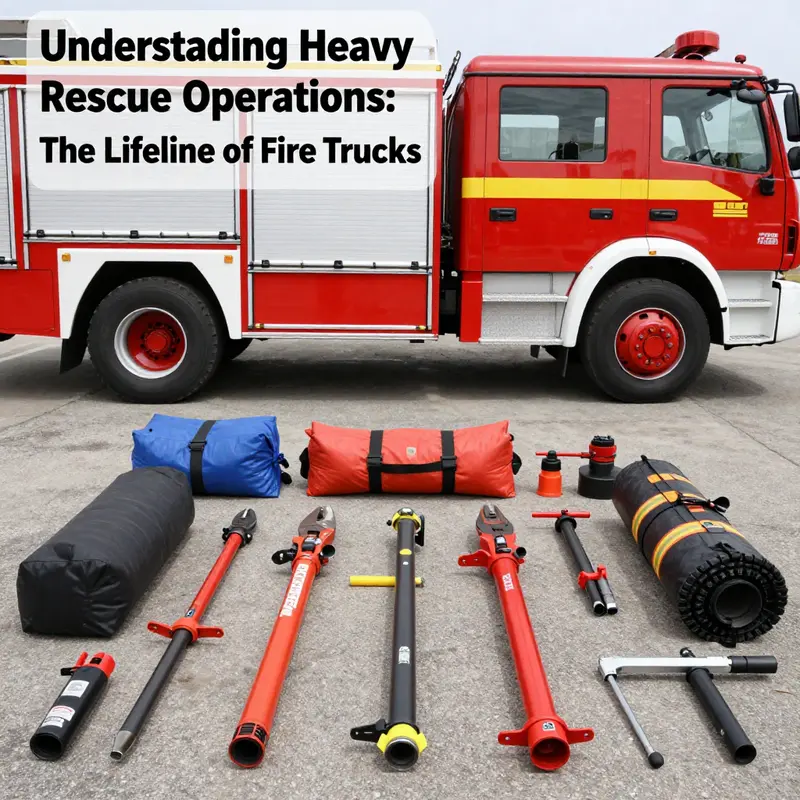
A heavy rescue fire truck is more than a truck with lights. It is a concentrated, mobile capability for the most demanding rescue tasks. When a vehicle is crumpled and metal cages its occupants, when a building partially collapses and people are trapped under concrete and timber, or when hazardous materials threaten a scene, this apparatus brings the gear, the power, and the situational awareness crews need. The equipment on board is chosen and arranged so teams can act quickly, safely, and with the force or finesse a situation demands.
At the heart of every heavy rescue rig are powerful mechanical systems built to move and lift things that ordinary tools cannot. High-capacity winches give crews pulling power measured in tons. A front-mounted ten-ton winch can free a vehicle stuck in mud, recover equipment from steep embankments, or apply steady force to shift a wreckage without jerking. Winches are paired with rated recovery straps and snatch blocks that multiply force and change pull angles. Where controlled lifting is required, crane systems provide precision and reach. A heavy-duty crane with several tons of lift and tens of meters of outreach lets crews place shoring, remove collapsed slabs, and lift vehicles from precarious positions. Onboard forklifts add another layer of capability. Compact, vehicle-mounted forklifts enable rapid placement of heavy items and staging of equipment without relying on separate machinery.
Hydraulic rescue tools, commonly thought of as the “jaws of life,” form the most visible and critical part of heavy rescue. These tools include cutters that shear through sheet metal and reinforced structures, spreaders that pry open crushed cabins, and rams that push parts of a vehicle to create survivable space. Modern hydraulic units are compact and yield high force while remaining controllable. Crews choose blades and tips to match the task. A cutter with long blades slices through pillars and floor pans. A spreader with broad tips can open a door jammed by deformation. Hydraulic rams range from low-profile units that fit between seats to long-travel devices used to displace entire roof sections. Each tool is used with an understanding of load paths and structural behavior to avoid causing collapse or injuring trapped occupants.
Complementing hydraulics are pneumatic shoring systems and high-pressure airbags. Airbags offer a safe way to lift heavy loads incrementally. Deployed under a compressed slab or vehicle, they inflate in controlled stages to create a working cavity. Because airbags spread load over a large surface, crews can lift without concentrating stress that would otherwise break brittle rubble. Pneumatic shores and stacked cribbing then secure the lifted area. These systems are vital in building collapse response where creating and preserving a survivable void can mean the difference between life and death.
Cutting, welding, and thermal tools provide options when mechanical separation is not enough. Rescue crews carry portable cutting torches and battery-powered saws capable of slicing through steel and reinforced concrete. Diamond-tipped concrete saws cut slabs to free victims or open access corridors. Rescue saws match blade type to material and the confined space at hand. Thermal tools are used with extreme caution due to combustion and fume hazards, and their use is coordinated with ventilation and fire control measures.
Stabilization equipment keeps rescue zones safe. Chassis-level stabilization jacks let a heavy rescue truck brace unstable vehicles. Ratchet struts and tensioned cables secure leaning structures. Cribbing—timber blocks stacked in engineered patterns—creates reliable supports under lifted loads. These seemingly simple components are engineered for predictable strength and resistance to shifting. They are placed methodically and tested before any intrusive work begins.
Lighting and power systems transform chaotic scenes into manageable workspaces. High-intensity LED arrays mounted on telescoping masts illuminate large areas without generating excessive heat. Portable light towers supplement on-scene illumination for deep excavation or night operations. Onboard generators and battery systems supply power for hydraulic pumps, pneumatic blowers, cutting tools, thermal cameras, and charging stations for battery-driven tools. Redundant power ensures tools remain operational when mains power is absent or compromised.
Fire suppression systems on heavy rescue trucks are more robust than on standard rescue units. Large water tanks and high-capacity pumps allow crews to fight flare-ups and protect hot zones. Remote-controlled water and foam monitors deliver significant flow from a distance. These monitors can be aimed and modulated while crews remain in protected positions. Intelligent pressure stabilization systems keep pump output steady despite changing nozzle demands. Such consistency is essential for reliable firefighting and prevents pressure spikes that could damage hoses or portable monitors.
Protection for the vehicle and crew also extends to materials and active systems. Reinforced, heat-resistant crew compartments and chassis panels increase survivability in extreme heat. Some trucks include self-protection spray systems that flood the vehicle exterior with water to cool it during long exposures to radiant heat. These measures preserve the unit and maintain a safe haven for personnel staging inside.
A heavy rescue truck doubles as an information hub. Thermal imaging cameras cut through smoke and darkness to find hotspots and locate heat signatures from trapped persons. Panoramic camera systems and 360-degree surveillance remove blind spots around the apparatus. These feeds help the officer in charge form an accurate mental model of the scene. Gas detection arrays identify flammable or toxic atmospheres and alert crews before they enter hazardous zones. Environmental sensors track wind, temperature, and chemical levels to shape tactical choices.
Connectivity transforms a heavy rescue truck into a mobile command post. Satellite and broadband links share data in real time with dispatch and other responders. A digital command platform integrates drone feeds, maps, building plans, and live sensor data. This permits coordinated action across agencies, like EMS, police, and public works. Drones extend the operator’s view, delivering high-resolution images of collapse zones or remote areas. The truck’s interface lets commanders mark locations, assign teams, and document structural changes. This reduces duplication, improves safety, and speeds rescue decisions.
Equipment for specialized environments broadens the truck’s capability. High-angle rescue gear like rope systems, pulleys, and anchor plates lets crews perform rescues from cliffs, bridges, and tall structures. Confined space kits include harnesses, retrieve systems, and ventilation blowers to support safe entry into tanks and shafts. When hazardous materials are present, the truck carries detection kits, protective suits, decontamination tools, and containment materials to control spills and shield responders and victims.
Medical integration is another defining feature. While not a substitute for an ambulance, heavy rescue trucks carry extensive medical supplies and equipment to stabilize patients until EMS arrives or parametrically integrate with EMS units on scene. Stretchers and immobilization devices designed for extrication allow safe transfer from unstable positions. Oxygen systems and advanced trauma kits support immediate lifesaving interventions. Rescue technicians trained in basic and advanced life support coordinate with paramedics to maintain continuity of care.
Storage and organization are critical. Rescue scenes are chaotic, so every tool has its place. Modular compartments with labeled trays, slide-out trays, and quick-deploy mounts let crews access what they need fast. Hose beds, tool boards, and drawer systems are arranged by task rather than alphabetically. Quick-release mounts free tools for immediate use. This organizational discipline reduces response time and prevents mistakes under stress.
Human factors influence equipment selection and layout. Controls for hydraulic pumps, winches, and cranes are placed for ergonomic use and redundancy. Remote-control options allow operators to stand clear of danger while moving heavy loads. Noise suppression and vibration damping protect crews during long operations. The cab and workstations provide secure seating, communication headsets, and storage for personal protective equipment.
Maintenance and inspection regimes keep heavy rescue systems ready. Hydraulic hoses, cutting blades, and airbags undergo regular checks. Battery systems and generators follow test cycles to ensure capacity. Winches and crane assemblies are inspected and load-tested to their rated limits. A well-maintained truck reduces failure risk during critical operations and prolongs the life of expensive tools.
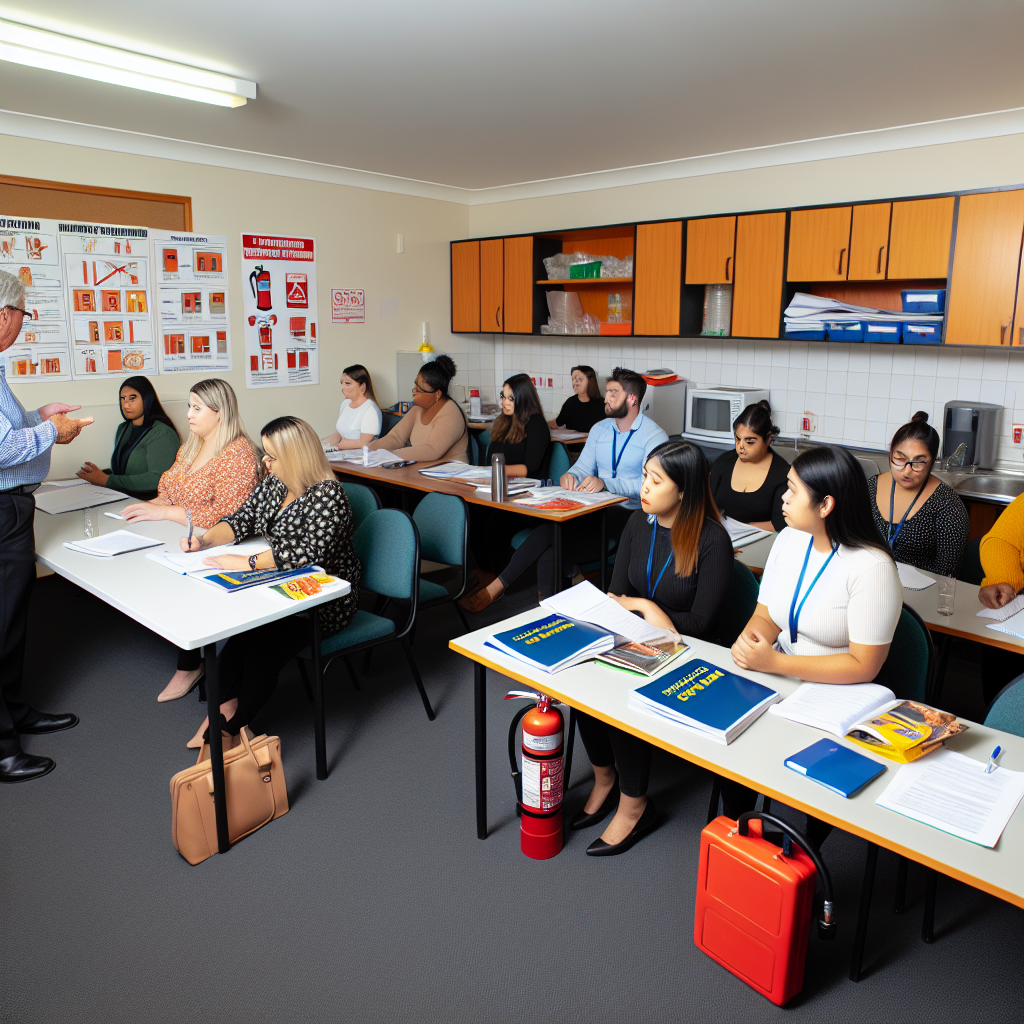
Training and interoperability matter as much as hardware. Rescue technicians receive hands-on training with hydraulic tools, shoring systems, and confined-space procedures. Regular drills simulate complex incidents where crews coordinate lifting, cutting, medical care, and fire suppression. Interagency exercises build common language and procedures so that the heavy rescue can integrate smoothly with ambulances, police, and urban search and rescue teams.
The modern heavy rescue fire truck is therefore an integrated system. It combines brute-force machinery with delicate instrumentation and digital command tools. Each component, from a small pry bar to a multi-ton crane, plays a defined role in converging time, safety, and technical skill to free trapped victims. The vehicle’s layout, equipment list, and technological features reflect local risks and mission profiles. Some departments emphasize vehicle extrication, while others gear up for structural collapse or hazardous material response.
For communities looking to expand rescue capability, a thoughtful approach to procurement and customization matters. Vehicles can be tailored for terrain, budgets, and incident types. Customization includes compartment layout, tool selection, and communication suites. For an in-depth look at tailored vehicle solutions and considerations for diverse operating environments, see this resource on customizable firefighting vehicles tailored for developing countries.
A heavy rescue truck is not a static inventory of tools. It is a flexible, purpose-built platform that evolves with technologies and community needs. New batteries and motors change tool ergonomics. Improved sensors and data links refine situational awareness. But the core mission stays the same: bring the right power, protection, and precision to the scene so teams can save lives while keeping themselves safe.
External reference: The heavy lifting and outreach figures mentioned in this chapter reflect typical capacities found in modern rescue cranes and winch systems used by rescue services globally.
Lifting the Line: What Heavy Rescue Means on a Fire Truck and How Teams Restore Access in Crisis
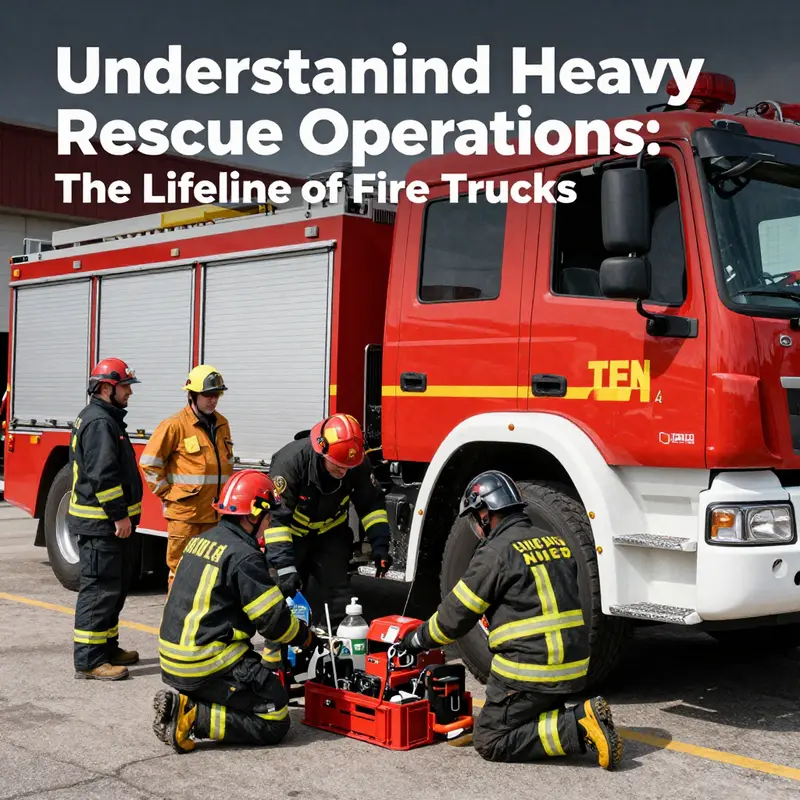
In the moments after sirens fade to a distant wail and the smoke curls in the air like a rising question, heavy rescue teams step into a role that often feels unseen until the moment it is necessary. Heavy rescue is not merely a bucket of powerful tools or a big truck with room to haul; it is a deliberate approach to transforming wreckage and rubble into space—the space where a trapped person can be reached, stabilized, and freed with the fewest possible additional injuries. This is the essence of heavy rescue on a fire truck: a specialized capacity that complements the firefighting mission with a precise, disciplined capability to access victims when complex mechanisms, crushed metal, or collapsing structures block the path to safety. It is a material and cognitive toolkit rolled into one, with each tool and each decision anchored in the same core aim—save lives while minimizing harm to those we are trying to rescue and to the responders who undertake the difficult work of extrication.
A modern heavy rescue unit carries something more than a suite of heavy-duty devices. It carries a method. The vehicle is designed to house and power an array of hydraulic tools, lifting equipment, cutting devices, stabilization gear, and long-reach apparatus that together form a modular response. Hydraulic cutters and spreaders—often called upon in vehicle extrications—work like a medical scalpel in steel: they separate, separate again, and then co-operate with rams and other stabilization devices to gently pry open a crushed frame without compounding injuries to the victim inside. Airbags and cribbing systems—some pushed by portable pumps and others activated by the vehicle’s own power—create a controlled lift or stabilization where a shifting vehicle or a compromised void could otherwise shift suddenly, posing risks to both the trapped person and the rescuers. A cutting torch, a saw, or a heavy-duty rotary tool may be used to remove obstructing materials, but always in a manner that preserves the integrity of the space around the patient and the potential pathway to remove them.
The emphasis on heaviness in this context is not about spectacle; it is about scale. It is the recognition that some scenes demand more than traditional firefighting gear can deliver. A multi-vehicle collision where cars are fused together, a structural collapse with unpredictable voids, or an industrial incident where machinery has wedged a person in a way that defies quick, simple access—all require a response that can withstand the complexity of the scenario. Heavy rescue teams train for those moments well before the sirens arrive in earnest. They cultivate not only technical proficiency but also a mindset—an orientation toward rapid, safe access, rigorous scene assessment, and the careful choreography of every action in the field. In a sense, heavy rescue is the bridge between the forceful energy of firefighting and the meticulous patience of search and rescue work.
The crews are a study in teamwork and roles. Rescue technicians, supervisors, and equipment operators work in concert with emergency medical services, police, and public works as needed. Each member brings a specific responsibility: someone oversees scene safety and hazard mitigation; another controls hydraulics and heavy tools; a third manages stabilization and rigging; a medic remains with the patient to monitor vital signs and provide care as access is established. The communication chain must be tight, clear, and repeatable under pressure. The goal is not to force a device through a barrier, but to coordinate a sequence that preserves space for the patient while enabling a careful, gradual release from constriction. It is a dance of risk assessment and risk management, in which every step seeks to reduce the likelihood of secondary injury—from both the scene and the rescue process itself.
The equipment on a heavy rescue platform reflects this philosophy. The hydraulic tools— cutters and spreaders—are paired with rams that can push or pull apart tight spaces, sometimes in concert with stabilization struts and cribbing to form a secure base. The airbag systems can lift or stabilize heavy components with a controlled upstroke, while the cutting and grinding tools address barriers that cannot be moved by force alone. The presence of demolition tools and heavy-duty power saws widens the scope of possible access, enabling responders to remove debris that would otherwise trap a victim in a precarious position. It is a toolbox designed not for speed alone, but for the delicate balance between progress and preservation. In practice, this means a scene where time is critical is navigated with a plan that is both decisive and adjustable, because each maneuver can create new hazards or open a safer path forward.
Integrating heavy rescue into a department’s broader emergency response system requires more than a larger toolbox. It demands a culture of continuous training, routine drills, and a clear understanding of when to call on this specialized capability. Training emphasizes not only individual tool proficiency but, crucially, the ability to read a scene—recognizing signs of structural instability, hidden voids, or shifting debris that could threaten both patient and rescuer. Drills incorporate realistic simulations, sometimes featuring full-scale collapses and crumbled interiors, to push teams to test their communication, timing, and tool coordination under conditions that mimic real emergencies. Such exercises are not mere rehearsals; they are the crucible in which judgment calls are formed. The lessons learned in those drills translate directly to safer, faster extrications when a real emergency arrives.
The relationship between heavy rescue and medical services deserves special attention. In the moment of extraction, the patient’s condition can be fragile and fluctuating. The rescue team can create space for airway management, bleeding control, and spine stabilization within the confines of the rescue zone, all while preserving the chance to move the patient on a backboard or stretcher with minimal movement. This collaboration extends beyond the moment of freeing the victim. It carries forward into the field, where responders establish routes for rapid transport, coordinate handovers with hospital teams, and communicate about any hazards that could jeopardize patient safety on the way to the emergency department. The ultimate objective—the restoration of safe access to the patient—rests on the steady partnership of operations, medical care, and the disciplined execution of a rescue plan.
Beyond vehicle extrication, heavy rescue teams routinely confront collapses and complex entanglements in urban and industrial settings. In these contexts, the work resembles a blend of engineering, architecture, and search and rescue. Responders may need to stabilize a partially fallen floor, pry apart a collapsed wall, or lift a heavy beam that is pinning a person beneath debris. Here, the heavy rescue vehicle serves as a mobile workshop and command hub, carrying not only tools but also the technical knowledge needed to assess load paths, test stability, and implement a plan that minimizes the risk of further collapse. The process is iterative: assess, stabilize, create access, remove, and reassess. The rescue is rarely a single decisive move; it is a sequence of carefully judged steps that, together, convert a dangerous environment into a navigable one for both patient and responders.
The role of heavy rescue is not confined to the most dramatic emergencies. It also includes preventive contributions, which may seem paradoxical at first glance. Training programs, equipment readiness, and joint exercises with other agencies help build a culture of hazard recognition and pre-disaster planning. These activities can inform building codes, road design, and community safety measures by providing a real-world demonstration of what happens when space is made or lost in an emergency. When communities see the value of maintaining large, capable rescue platforms and the crews who operate them, they gain a practical sense of resilience that extends beyond the incident scene. In this way, heavy rescue becomes part of a broader strategy for reducing exposure to danger in high-risk environments.
As the public faces the aftermath of disasters, it is easy to romanticize the heroism of the firefighters who arrive with power and urgency. Yet the truth of heavy rescue lies in patient, methodical work. The scene is often a puzzle with missing pieces—where someone is trapped, where debris has become a barrier, and where every second counts. The rescue team’s expertise is to translate fear into tempo—steady, deliberate tempo that respects the patient’s condition while advancing toward freedom. The equipment is the language through which that tempo is expressed: a lift, a cut, a pry, a stabilization that holds the ground steady while space is revealed. It is a language spoken through teamwork, trust, and a shared commitment to making a difference when minutes dictate outcomes.
Within this framework, the heavy rescue vehicle and its crew occupy a middle ground between frontline firefighting and specialized technical rescue. They are not a solitary force but part of an integrated system that includes incident command, EMS triage, and post-incident recovery. When a call comes in, the decision to deploy heavy rescue hinges on a careful appraisal of the scene: Can the victim be reached safely with standard equipment? If not, what hazards threaten a straightforward extraction? What is the likelihood of worsening injuries if a patient is moved prematurely? These questions guide the response, shaping the deployment of tools, personnel, and strategy. It is a pragmatic, not impulsive, approach—one that prioritizes the patient’s well-being and the responders’ safety above all else.
The significance of heavy rescue extends to the organizational level as well. Departments invest in dedicated units staffed by highly trained personnel who bring experience from multiple disciplines. These teams operate with a level of specialization that requires ongoing maintenance of equipment, strict adherence to protocols, and a readiness that does not waver in the face of fatigue or pressure. Their effectiveness increases when they are supported by strong regional and national networks that facilitate rapid mobilization, standardized training, and shared lessons learned from incidents large and small. In places where heavy rescue capacity is embedded in the emergency management framework, communities benefit from a more predictable, coordinated response in the wake of disasters, whether the crisis is local or stretches across borders.
For those who study or work in emergency services, the concept of heavy rescue invites a broader reflection. It challenges us to think about how a fire department can offer more than suppression and containment. It asks how a service can expand its ability to open doors—literally and figuratively—into lives that might otherwise be lost to mechanical constraints, collapse, or entanglement. It calls on the steadfast discipline of responders to balance the urgency of rescue with the caution required to ensure that every action counts for the patient’s sake as well as for the safety of the team. And it reminds us that the value of heavy rescue lies not only in the power of its tools but in the restraint with which those tools are wielded—the restraint to work methodically, patiently, and with a constant eye toward the preservation of life.
In the end, what heavy rescue means on a fire truck is a commitment to access and safety. It is a promise that when space is lost and seconds slip away, there is a trained team prepared to re-create access with care, to stabilize what is unstable, and to guide a patient toward the path of recovery. It embodies a philosophy of rescue that treats the scene as a dynamic, changing situation and responds with adaptability, precision, and humility. It is, in short, a capacity that makes the difference between a scene that ends in tragedy and one in which a patient’s life can resume its course. As such, heavy rescue is less a single device than a robust, evolving practice—the embodiment of modern emergency response where durability, skill, and compassion converge to restore access to life when time is most precious.
For readers who want to explore training and practical demonstrations of how heavy rescue teams prepare for these challenges, see the dedicated training focus described in industry discussions and practice-based articles, such as the resource linked here: firefighter-training-tower-dedication.
External Resource for Further Context: https://www.mem.gov.cn/xxgk/jygl/202510/t20251010_48932.html
Final thoughts
Heavy rescue operations are integral to effective emergency services, showcasing the importance of specialized fire trucks and the dedicated teams that operate them. With their advanced equipment and expert personnel, heavy rescue teams ensure that victims are safely extricated from perilous situations, minimizing additional injuries and saving lives. Understanding the significance of heavy rescue in fire service operations highlights the profound commitment of emergency responders to meet diverse and challenging rescue needs.