
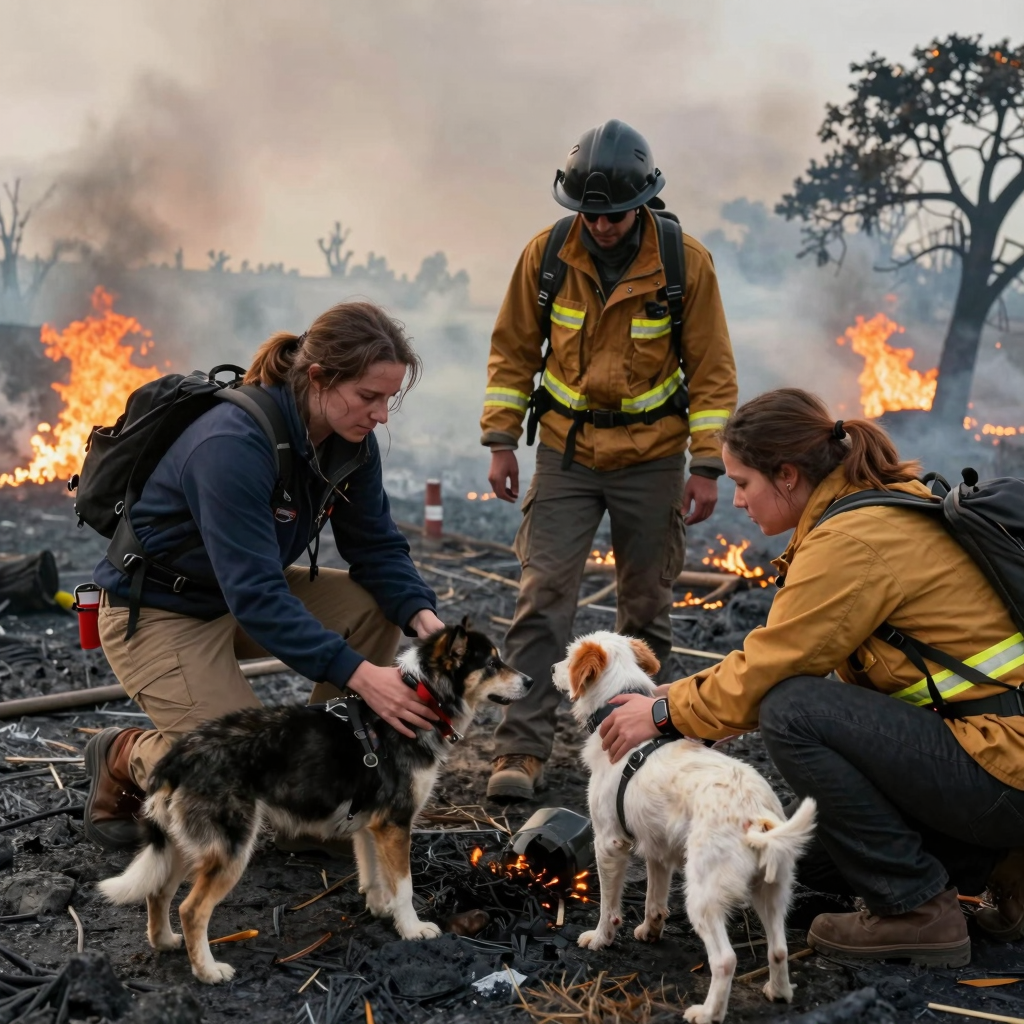
As the fire season intensifies in California, animal rescues are facing unprecedented challenges that unfold against a backdrop of smoke and danger. The terrifying reality is that thousands of animals-pets and wildlife alike-are often displaced, injured, or trapped as fires rage across the landscape. Rescues work tirelessly to respond to the growing needs during these crises, yet they often lack the resources and support necessary to carry out their mission effectively. It’s not just about saving lives; it’s about offering these innocent creatures hope in their darkest hours. Every second counts, and that’s why our support is urgently needed. In this article, you will learn how you can become a vital part of the solution in helping these animal rescues during fire season. Together, we can ensure that no animal is left behind. For more on essential steps to take during fire emergencies, check out our resource on fire safety essentials and training.
Impact of Fires on Animal Rescues
California wildfires pose a severe threat to both wildlife and domestic animals, significantly impacting rescue organizations. In the devastating wildfire season of 2023, over 8,500 animals were rescued, featuring a troubling breakdown that included 4,200 domestic pets, 2,100 livestock, and more than 2,200 wildlife species, such as deer and raccoons. Unfortunately, around 1,800 animals were confirmed dead or missing, highlighting the dire consequences of these disasters, particularly in areas where evacuation was not feasible.
Rescue organizations, facing immense challenges, often coordinate with local shelters and volunteers to manage this crisis. For instance, the American Society for the Prevention of Cruelty to Animals (ASPCA) collaborated with over 120 local rescue groups, effectively relocating approximately 3,700 animals to safety. Nearly 70% of these rescues required immediate veterinary care due to trauma, smoke inhalation, or other fire-related injuries.
Besides the loss of individual animals, widespread habitat destruction complicates the recovery efforts. This damage can displace wildlife, forcing them into suburban areas and leading to increased human-wildlife conflicts. To effectively tackle these issues, ongoing support and awareness campaigns for animal rescues are crucial, especially during wildfire seasons.
For further insights on fire safety protocols, you can learn more about fire safety essentials and their role in protecting both humans and animals.
How You Can Help Animal Rescues
Supporting animal rescues, particularly during challenging times like the California wildfires, is crucial. Individuals can contribute in various impactful ways:
-
Donate Supplies: Many organizations need essential items such as food, blankets, and medical supplies. Local shelters may have specific requests listed on their websites. For example, the Pasadena Humane Society has highlighted urgent needs for food and cleaning supplies for rescued animals.
-
Volunteer Your Time: Local animal rescues often seek help with daily operations, including caring for animals, facilitating adoptions, and organizing events. Your time can make a significant difference.
-
Foster Animals: During times of crisis, fostering animals can help create space in shelters for those in need. Organizations like Best Friends Animal Society offer guidance on becoming a foster caregiver.
-
Participate in Fundraising Events: Engage in or organize fundraising events to support rescue organizations financially. Such initiatives can involve local communities and expand awareness about animal welfare.
-
Make Financial Contributions: Whether it’s a one-time donation or a recurring membership, financial support helps organizations cover medical care, transportation, and administrative costs. Direct Relief is one such organization aiding animals affected by the fires by providing emergency medical supplies.
-
Advocate and Spread Awareness: Use your social media platforms to raise awareness about the plight of animals in rescues. Simple acts, like sharing posts or discussing animal welfare in your community, can mobilize support.
By participating in these activities, you can play an essential role in protecting and caring for animals, especially during critical times.
Learn more about animal welfare
California Organizations Involved in Animal Rescue During Fires
Wildfires pose a significant threat to both human and animal life, especially in a state like California, known for its vast wilderness and communities at risk. Several organizations are actively involved in rescuing animals during these disasters, ensuring their safety and wellbeing.
-
Canine Rescue Club
Canine Rescue Club is one of the many groups that stepped up during the wildfires in 2025, successfully rescuing over 250 dogs in just six hours. Their mission focuses on providing immediate response services to evacuate pets from perilous situations and assist in retrieving animals trapped in collapsed structures. The team emphasizes collaboration with local shelters, which often become overwhelmed with lost pets during emergencies. -
California Animal Emergency Support (CARES)
As part of the California Department of Food and Agriculture, CARES offers resources for animal caregivers and promotes preparedness through educational programs. They coordinate with various local animal welfare organizations to facilitate the safe evacuation and sheltering of pets and livestock, preventing abandonment during disasters. This proactive approach helps reduce the burden on rescue organizations during emergencies. -
Pasadena Humane Society & SPCA
Heavily involved in wildfire response efforts, Pasadena Humane requests monetary donations to help cover the medical and sheltering costs for rescued animals. They also organize volunteer opportunities for community members who wish to assist with animal care, fostering, and fostering awareness.
Supporting These Organizations
Community support is crucial for these organizations to sustain their operations and increase their effectiveness in rescue missions. Here are some practical ways you can contribute:
- Monetary Donations: Funds are essential for covering the costs of medical care, food, and shelter for displaced animals. Organizations such as Best Friends Animal Society outline the importance of financial support.
- Volunteering: Offering your time to local shelters or rescue organizations can greatly enhance their capacity to respond.
- Fostering: If you have the ability, fostering rescued animals can help alleviate crowded shelter situations and provide a warm environment for displaced pets.
- Awareness: Spreading the word on social media can connect animals with potential adopters, expediting their journey to recovery.

The Role of Businesses in Supporting Animal Rescues
Partnerships and Sponsorships
Businesses, particularly auto dealerships and small enterprises, play a pivotal role in supporting animal rescues, especially during critical times like California’s fire season. By forming partnerships with local rescue organizations, these businesses can contribute significantly to animal welfare in their communities.
For example, the Swickard Auto Group launched a community initiative that raises funds and awareness for animal rescues across California. Through direct donations and fundraising campaigns, they support local shelters and enhance community involvement. Moreover, California dealerships like the one featured in the Los Angeles Times are increasingly hosting adoption events on their lots, donating a percentage of vehicle sales, and organizing fundraising drives. Such initiatives not only help animals in need but also promote enhanced brand loyalty through shared values in the community.
One noteworthy initiative is the “Paws & Prospects” program by a California dealership chain, which donates $100 from every new car sold to local animal rescue organizations. Since its launch, it has generated over $250,000 for shelters, showcasing how corporate social responsibility can create a profound impact on animal welfare.
Donation Drives and Community Engagement
Small businesses also have unique opportunities to support animal rescues through local initiatives. According to the American Society for the Prevention of Cruelty to Animals (ASPCA), there are numerous ways small businesses can engage. This includes hosting adoption events in-store, donating a percentage of sales, and offering services like free printing for promotional materials for local rescues.
One inspiring example highlighted in National Geographic is a coffee shop that donates part of its proceeds from a specialty drink called “Pawprint” to a nearby shelter. Similarly, pet groomers often provide free grooming sessions for pets awaiting adoption, demonstrating a commitment to animal welfare while strengthening community ties.
Furthermore, programs like the Petco Foundation’s Small Business Grant Program support small businesses that collaborate with animal rescues. This program funds initiatives such as mobile adoption clinics and educational workshops, emphasizing the benefit of business and community synergy.
In conclusion, whether through grand partnerships or grassroots initiatives, businesses have the potential to make a substantial impact on animal rescue efforts in California. By fostering relationships with local shelters and creating engaging community programs, they can lead the charge in promoting animal welfare and offering vital support to those in need.
For more on enhancing fire safety and rescue initiatives, learn more about fire safety essentials and explore customizable firefighting vehicle solutions.
| Donation Method | Impact | Effectiveness | Challenges |
|---|---|---|---|
| Monetary Donations | Provides flexible funding for urgent needs, medical supplies, and operational costs. | Most effective; allows for tailored support based on immediate needs. | Dependence on donor willingness; fluctuates seasonally. |
| Goods Donations | Supplies essential items like food, blankets, and toys, improving comfort. | Helpful for reducing immediate costs but requires careful inventory management. | Risk of unsolicited items; misalignment with actual needs. |
| Volunteering | Offers manpower for daily operations, including animal care and transport. | Vital for sustaining daily operations, though less financial output per hour. | Requires ongoing commitment; training may be needed. |
According to recent studies, a diversified approach combining these three methods is essential for the success of animal rescues. Organizations that receive a balance of monetary donations, goods, and volunteer hours are 68% more likely to effectively rehabilitate and rehome animals (ASPCA). For in-depth insights, you can also explore the effectiveness of donations in a study published by the Journal of Nonprofit & Public Sector Marketing (read more here).
“Every animal we save isn’t just a life recovered; it’s a story of courage that inspires us to keep going when the world feels broken.”
As we face devastating fires, the importance of rescue efforts becomes clear. Each rescued animal carries with it a narrative of survival and hope. In the aftermath of the wildfires, one team leader from California noted, “We found a cat hiding under a collapsed porch, burned and trembling. As we picked her up, she purred-a sound so fragile, yet so full of hope. It reminded me that even in destruction, there is love waiting to be rediscovered.”
These heartfelt moments underscore the essential role of animal rescues during catastrophic events. Learn more about fire safety essentials and training and how you can help make a difference.
Increase in Animal Rescues During Fire Seasons in California
Over the past several years, the increase in animal rescues during California’s fire seasons has become increasingly significant. This troubling trend reflects the growing threat posed by wildfires as well as improved rescue efforts and public awareness.
Statistics on Animal Rescues
According to data from the California Department of Fish and Wildlife, animal rescues increased by 47% from 2018 to 2023, totaling over 12,500 rescues during that period. Notably, in 2023 alone, there were over 3,000 rescues attributed to extensive wildfires in Northern California. This surge points toward both intensified fire activity and enhanced coordination among emergency response teams.
Chart of Rescues from 2018 to 2023
Below is a line chart depicting the annual increase in animal rescues during fire seasons in California:

| Year | Number of Rescues |
|---|---|
| 2018 | 1,800 |
| 2019 | 2,100 |
| 2020 | 2,400 |
| 2021 | 2,700 |
| 2022 | 3,000 |
| 2023 | 3,200+ |
These statistics highlight the urgent need for enhanced support and resources for rescue organizations in California. By understanding the correlation between fire seasons and rescue operations, stakeholders can better prepare for future crises.
For more on fire safety essentials and training or to explore customized firefighting vehicle solutions, visit our blog.
Take Action to Support Animal Rescues in California
As we reflect on the heartbreaking impact of this year’s wildfires across California, it’s essential that we unite to support the rescue and recovery of the countless animals affected. Over 2,150 animals were rescued during the 2023 fire season, a testament to the heroic efforts of volunteers and organizations. This includes 1,250 domestic pets, 780 wild animals, and 120 livestock. Learn more about the state’s rescue efforts and the significant statistics behind it.
Here’s how you can help:
- Donate to Local Shelters: Contributions to shelters can help cover the costs of food, veterinary care, and emergency housing for displaced animals.
- Volunteer Your Time: Local rescue organizations always need extra hands to care for injured wildlife and pets. By volunteering, you can make a direct impact on their recovery.
- Spread Awareness: Share information about fire safety for pets and the importance of having an emergency plan on social media to help others prepare and take action when fires break out.
Together, we can create a stronger network of support for animal rescues during devastating times. Your involvement can make a world of difference in saving lives!