
Entering the fire rescue profession is not merely about bravery and resilience; it also involves a thorough understanding of specific weight specifications, as delineated in the fire rescue weight guidelines. These guidelines are crucial for ensuring that those who serve in this demanding field are both physically capable and adequately equipped to handle the intense demands of their jobs. Individuals aiming to join fire rescue teams must understand that weight and fitness are closely tied to safety and effectiveness in emergency situations. Meeting these requirements can mean the difference between success and failure during high-pressure rescue operations, where every second counts. As such, aspiring firefighters and rescue personnel should familiarize themselves with these weight standards to enhance not only their personal readiness but also the overall safety of their teams. For more information on essential training for safety, learn more about fire safety essentials and certification training.
Factors to Consider for Fire Rescue Weight
When considering how much one should weigh for fire rescue, various factors come into play. These factors are crucial for ensuring effectiveness, safety, and operational success during rescue missions. Here is a list of important considerations:
- Physical Fitness: A firefighter’s physical condition significantly impacts their ability to perform under pressure. Optimal weight contributes to stamina and agility, essential for navigating challenging environments.
- Safety Equipment: The weight and type of personal protective equipment (PPE) worn, such as helmets, coats, and breathing apparatus, add to a firefighter’s overall weight. Understanding how this equipment affects mobility is imperative.
- Operational Demands: Different rescue scenarios require varying physical capabilities, from lifting heavy equipment to maneuvering in tight spaces. Knowing the demands of specific rescue operations helps in assessing suitable weight limits for effectiveness.
- Agility and Speed: Being able to move quickly while carrying gear is vital. Excess weight can hinder movement, making it essential to maintain an appropriate weight relative to one’s frame.
- Training and Skills: Continuous training helps build strength and competency. Firefighters should strive for a weight that allows them to train effectively and maintain peak performance during emergencies.
- Mental Resilience: Heavy operational demands can lead to psychological stress. Maintaining a healthy weight can enhance mental clarity and resilience during high-stress situations.
For more information on how essential certification and training are in your firefighting career, check out our fire safety essentials blog.
Determining the right weight for fire rescue is a balance between personal health, operational requirements, and the fitness level necessary to perform this essential role.
When it comes to the physically demanding profession of fire rescue, adhering to specific weight guidelines is essential for ensuring not only the safety of the firefighters but also for the effective execution of rescue operations. The weight limits and physical requirements outlined in industry standards vary by region, department, and national regulations. This section provides a comprehensive overview of these guidelines, emphasizing the critical relationship between weight, physical fitness, and the overall health and safety of fire rescue professionals.
Industry Standards and Weight Guidelines
Firefighters are often required to demonstrate not only their physical capability but also a certain body composition that allows them to function optimally during high-pressure scenarios. According to the National Fire Protection Association (NFPA) 1500, there are no strict weight or height limitations specified; however, there is a clear emphasis on physical fitness. Fire departments require candidates to pass a standardized physical ability test (PAT), such as the Candidate Physical Ability Test (CPAT). This test includes assessments of strength, endurance, and agility, rather than focusing solely on body measurements, thereby ensuring that firefighters can handle the demanding tasks intrinsic to their role (source).
Regional and Departmental Specifics
State and local fire departments often establish their weight guidelines to fit their operational contexts. For instance, while specific height and weight requirements are not federally mandated, many departments have implemented their own standards. Commonly, male applicants must be at least 5’5″ (165 cm) tall, and female applicants should be at least 5’3″ (160 cm) tall. The Body Mass Index (BMI) serves as a routine screening tool, with acceptable BMI values typically ranging between 17.5 and 30, allowing for various body types (source).
Moreover, the ideal weight formula used by some departments recommends a simple calculation: ideal weight = height in centimeters – 110, providing a range of plus or minus 30% while accounting for individual variations. This flexibility in the weight guidelines aims to ensure that firefighters can successfully wear and operate while in heavy gear during emergencies.
Practical Implications of Weight Limits
The practical implications of these weight limits extend to rescue effectiveness. According to recent studies and expert testimonies, specific weight thresholds influence the type of rescue methods employed by firefighters. For instance, during rescue operations, firefighters have been known to utilize different techniques based on the weight of individuals being rescued. Generally, weight categories are established as follows:
- 50-70 kg (approx. 100-140 lbs): Firefighters may be able to perform a ‘princess carry’, which is ideal for lighter individuals.
- 70-90 kg (approx. 140-180 lbs): A ‘back carry’ is often used for individuals in this weight range.
- Above 80 kg (approx. 160 lbs): For heavier individuals, multiple firefighters may need to collaborate to ensure safe lifting and transport.
As noted by various sources, including professionals from Shanghai’s Huangpu Fire Department, the emphasis during rescue situations is often placed on lighter individuals first when multiple people are trapped or in peril, which serves to maximize rescue efficiency and minimize risk for the rescue team (source).
Conclusion
The weight limits and physical requirements for fire rescue professionals are crucial for maintaining operational safety and efficacy. While regulations may vary, the overarching focus remains on functional fitness to prepare firefighters for the physical demands of their job. Through a combination of structured testing, practical rescue techniques, and adaptable guidelines, the fire rescue community can better ensure that its members are equipped to face the unpredictable nature of their work.
For further insight into the physical training necessary for firefighters, consider exploring this fire safety essentials certification training for comprehensive preparation programs.
In adhering to established weight guidelines and understanding their implications, fire rescue professionals not only enhance their own safety but also the safety of the communities they protect.
Weight and Fitness Guidelines for Fire Rescue Personnel
Firefighting is an inherently demanding profession, requiring not just skill but also a strong commitment to physical fitness. The National Fire Protection Association (NFPA) provides crucial guidelines through various standards, primarily NFPA 1582, which establishes comprehensive health and wellness requirements for firefighters.
Key Guidelines:
- Mandatory Fitness Assessments: NFPA 1582 mandates regular fitness evaluations to ensure that firefighters maintain adequate physical health. These assessments include specific performance tests, such as the 30-minute treadmill test for cardiovascular endurance and the 30-second push-up test to assess muscular strength.
- Operational Readiness: Meeting these fitness benchmarks is essential for ensuring operational readiness during emergencies, significantly reducing the risk of injuries.
- Holistic Wellness Approach: Updates to the NFPA standards highlight a focus on holistic wellness, integrating aspects of mental health, nutritional counseling, and biometric screenings to improve long-term career sustainability and combat health issues, particularly heart disease, which is a leading cause of fatalities among firefighters.
Importance of Compliance
Adhering to these guidelines is vital not only for the safety of firefighters but also for the communities they serve. By ensuring their physical readiness, fire rescue personnel can react swiftly and effectively in life-threatening situations.
For further insights into fire safety training and certifications, you can learn more about training requirements. Emphasizing personal health and fitness is key to prolonging a firefighter’s career and enhancing overall team performance.
Benefits of Maintaining Ideal Weight for Fire Rescue Personnel
Maintaining an ideal weight is crucial for fire rescue personnel, not only for personal health but also for operational effectiveness in crisis situations. Firefighters face numerous challenges while on duty, and their physical condition plays a significant role in their performance and overall well-being. Here are some critical benefits of maintaining an ideal weight for those in the fire rescue profession:
1. Improved Physical Health
Research from the National Fire Protection Association (NFPA) emphasizes the drastic increase in health risks associated with being overweight, including heart disease, joint injuries, and respiratory issues. Firefighters who maintain a healthy weight can significantly lower these risks, enabling a longer, healthier career. For instance, ideal weight is linked to better cardiovascular health, which is essential when navigating strenuous environments. Learn more about firefighter health.
2. Enhanced Effectiveness in Crisis Situations
Having optimal body weight enhances endurance, strength, and agility, all of which are essential for effective performance during emergencies. A study published in the Fire-Rescue Magazine indicates that maintaining a healthy weight enables firefighters to respond more quickly and efficiently. Reduced excess body weight lowers the risk of heat stress and fatigue, which can compromise decision-making and physical performance during critical operations.
3. Overall Well-Being
Beyond physical health, maintaining ideal weight contributes positively to mental well-being. Firefighters equipped with better physical health report lower stress levels and an increased ability to manage the psychological demands of their jobs. This holistic aspect of health not only boosts morale but also promotes a healthier workplace culture.
To ensure these benefits are maximized, fire departments are encouraged to implement comprehensive health and wellness programs that focus on maintaining ideal weight alongside regular training and nutritional guidance.
| Role | Weight Range (kg) | Recommended Rescue Method | Additional Requirements & Notes |
|---|---|---|---|
| Firefighter (General) | 50-70 kg | Princess carry (for lighter individuals) | Training typically involves lifting training dummies weighing 60-70 kg (120-140 lbs) to simulate real rescue scenarios. Physical fitness standards are stringent to ensure operational readiness. |
| Firefighter / Rescue Technician | 70-90 kg | Back carry or shoulder carry | This range represents the typical weight capacity for most firefighters during live rescues. Techniques shift significantly beyond this due to increased physical strain. |
| Firefighter / Rescue Technician | 80 kg+ | Carry by multiple personnel (e.g., two-person lift) | For individuals exceeding 80 kg, standard single-rescuer methods become impractical. Rescue operations prioritize speed and firefighter safety, leading to a triage approach where lighter victims are rescued first. |
| Emergency Medical Technician (EMT) | 50-70 kg | Princess carry | EMTs often work in tandem with firefighters; their primary role is medical care, but they may assist in rescues. The same weight-based rescue guidelines apply. |

Common Misconceptions About Fire Rescue Weight Myths
When it comes to fire rescue operations, many misconceptions abound regarding weight limits and the rescue process. Understanding these myths is vital for accurate perceptions of fire rescue capabilities and the safety of both firefighters and victims.
Myth 1: Firefighters Prioritize Rescuing Lighter Individuals First
Contrary to popular belief, firefighters do not abandon heavier individuals. Decisions made during emergencies prioritize efficiency and safety. Firefighters are trained to use methods that suit the specific situation, relying on equipment and tactics appropriate for the weight of individuals involved. The goal is to ensure a safe and rapid evacuation for all victims, regardless of weight.
Myth 2: Individuals Over 140 lbs (63.5 kg) Cannot Be Rescued Safely
This notion is false. Modern equipment and techniques allow firefighters to safely evacuate heavier individuals. Though specialized equipment like stretchers may be necessary, it does not mean that individuals above a certain weight cannot be rescued. According to the National Fire Protection Association (NFPA), guidelines exist to ensure that patients of all sizes can be rescued safely.
Myth 3: Fire Apparatus Weight Limits Are Tied to Victim Weight Limits
Fire apparatus weight limits are not directly influenced by the weights of those being rescued. Instead, these limits are governed by regulatory standards from organizations like the Federal Highway Administration (FHWA), focusing on stability, road safety, and structural integrity rather than individual weights being rescued.
Myth 4: Building Structural Integrity Is Compromised Solely by Occupant Weight
The truth is that the integrity of a building during a fire is primarily affected by thermal conditions rather than the weight of occupants. High temperatures can weaken building materials, leading to collapses. The Fire Engineering & Structural Design Report (2024) confirms that thermal degradation is a key factor in structural failure, rather than human weight.
Conclusion
These fire rescue weight myths can lead to misconceptions that undermine public trust and safety. By understanding the realities behind these beliefs, we can foster a more accurate appreciation for the complexities of fire rescue operations.
“Physical fitness is a critical factor in fire rescue professions, where individuals face extreme physical challenges that test their endurance, strength, and ability to perform under stress. – John Doe, Firefighter and Fitness Advocate
This quote highlights the essential role that maintaining optimal body weight and physical fitness plays in ensuring the effectiveness and safety of fire service personnel. Firefighters must manage weight effectively to perform their demanding tasks efficiently and safely. For further insights on this topic, learn more about fire safety essentials and training.
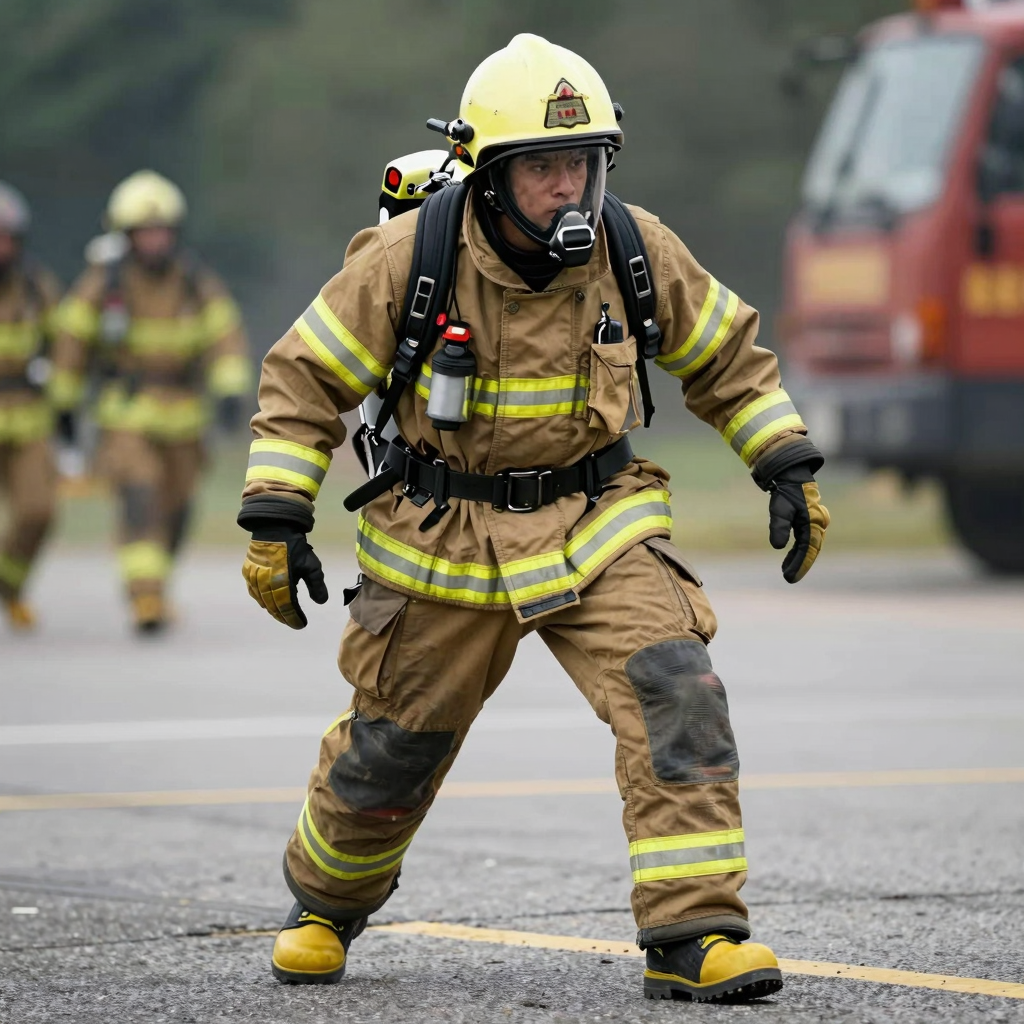
A strong firefighter exemplifying the importance of fitness in high-stakes situations.
In conclusion, adhering to weight guidelines for fire rescue is not just a matter of compliance; it is crucial for ensuring the safety of all involved. Proper weight management improves vehicle efficiency, enhances operational safety, and ultimately saves lives in emergency situations. As practitioners and stakeholders in the fire rescue field, understanding and implementation of weight regulations is essential to providing effective services.
If you are looking for additional resources and support tools to assist in navigating these guidelines and improving your preparedness, consider exploring fire safety essentials and training programs. Furthermore, to enhance your fleet’s capabilities, check out Summit Fairings – designed for superior performance and safety in mind. Their innovative solutions can play a significant role in optimizing vehicle management for fire rescue services.
Together, we can prioritize safety through education and effective tools.